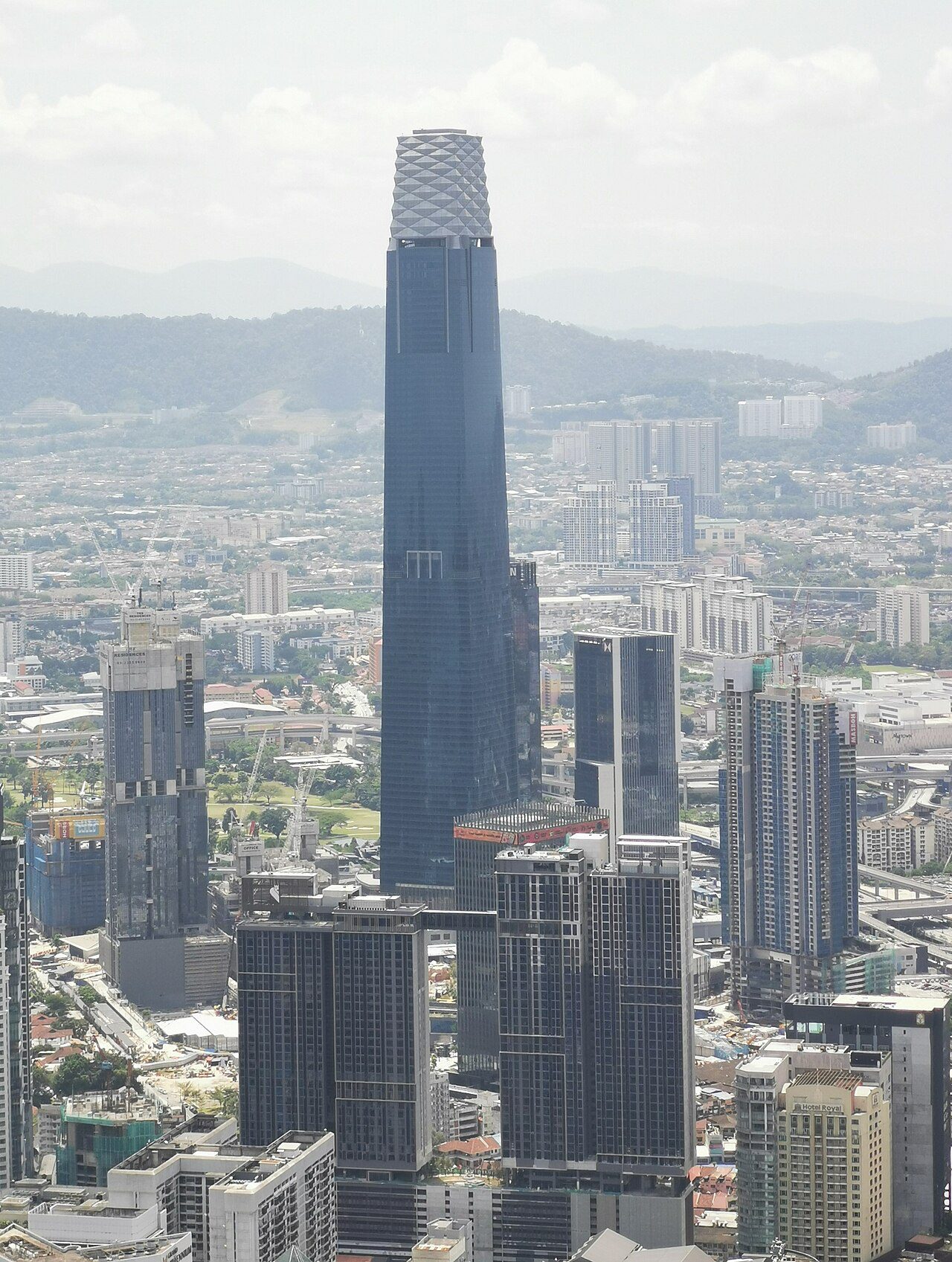

KLCC Daily Life MM2H: Introduction
KLCC daily life MM2H: relocation research has a strange blind spot. Relocation research has a strange blind spot: households will study visa tiers for weeks and hospital accreditations for days, then move across the world without knowing where they’ll buy milk. Yet KLCC daily life MM2H — the groceries, the dinners, the pharmacy run, the reliable dry cleaner — is what the move actually feels like once the paperwork settles, and the KLCC core’s answer to it is one of the district’s quiet selling points: a complete daily-life ecosystem stacked vertically into the same square kilometre as the towers, most of it reachable through the covered web without checking the weather. This guide walks it properly: the grocery landscape by tier and price, the dining ecosystem from RM8 lunches to occasion dinners, the errand infrastructure nobody writes about, the delivery layer that backstops everything, and a resident’s ordinary week assembled from all of it.
KLCC Daily Life MM2H: Groceries: The Three-Tier Landscape
The core’s food shopping runs on three tiers, and most households use all three:
Tier one — the premium supermarkets (the expat default): the mall-basement grocers anchoring the district — full international ranges (Japanese, Korean, Western, organic), excellent produce and imported meat counters, prices to match. This is where the relocated household lands in week one, and where the cost-of-living guide’s grocery line gets its upper band: a couple provisioning entirely here runs RM1,800–2,800/month.
Tier two — the mid-market chains: the Village Grocer/Jaya Grocer–style full-service supermarkets within the district’s orbit — 80% of the premium range at a meaningful discount, strong local produce, perfectly good wine aisles. The settled household’s workhorse tier: the same couple provisioning smartly here runs RM1,200–1,800.
Tier three — the markets and local layer: the wet markets a short Grab away (Chow Kit’s vast produce halls, the neighbourhood pasar pagi), the Indian-grocer spice runs, the Chinese medicine halls — where produce prices drop by half again and the cooking-inclined household discovers what Malaysian abundance actually means. Not a daily habit for most core residents; a fortnightly pleasure for many, and the helper-equipped household’s standing economy.
The honest pricing summary: imported comforts cost import prices; everything Malaysia grows, catches or makes is startlingly cheap — the household that adjusts its basket toward the local layer eats better for less every month it stays.
KLCC Daily Life MM2H: Dining: The Ecosystem by Register
The district eats at every register, and the resident’s skill is moving between them:
- The hawker-and-kopitiam layer (RM8–20/head): the core’s surviving street-food pockets and the kopitiam classics a short walk or Grab away — nasi lemak breakfasts, char kway teow lunches, the banana-leaf institutions of Brickfields and Kampung Baru’s heritage spread within fifteen minutes. The register where Malaysia’s food reputation was earned, and the retiree couple’s RM25 lunch habit.
- The café-and-casual layer (RM20–60/head): the district’s daily-default tier — the mall food courts (genuinely good here, a Malaysian specialty), the café scene, the ramen-and-dim-sum middle, the brunch institutions. Where most resident meals out actually happen.
- The restaurant layer (RM60–150/head): the strong middle of the district’s scene — the Japanese names, the modern-Malaysian rooms, the steady Italian and Thai institutions, the hotel coffee houses’ buffet culture.
- The occasion layer (RM150–400+/head): the fine-dining cluster the towers literally overlook — tasting menus, the rooftop rooms, the celebration registers — present for the evenings that want it, ignorable otherwise.
The weekly arithmetic this produces: a couple dining out five times a week across the registers spends RM600–1,200/month — the line the budget guide carries, and the reason “we eat out more here and spend less” is the most common report relocated households file.
KLCC Daily Life MM2H: The Errand Infrastructure (The Unwritten Chapter)
The services that make a neighbourhood actually liveable, mapped for the core:
- Pharmacies: the chains (Guardian, Watsons, Caring) in every mall — pharmacist-counselled, well-stocked, with the prescription ecosystem the healthcare guide details a floor away from the clinics that write them.
- Banking: every major bank branches within the district — relevant for the deposit relationship’s occasional in-person moments — with the daily reality being apps and the DuitNow QR layer that has made cash nearly optional.
- Dry cleaning, tailoring, cobblers, key-cutters: the mall service floors and the towers’ own concierge arrangements cover the lot; laundry pickup apps backstop them.
- Repairs and home services: the building management’s contractor lists (the established-tower advantage again — concierge desks that have solved every problem before), plus the service apps for aircon servicing (the tropical household’s quarterly ritual, RM120–200/unit), plumbing and handyman work.
- Post, parcels and printing: Pos Malaysia and the courier storefronts, plus tower-lobby parcel rooms that have professionalised around the delivery era.
- Salons, barbers, spas: every register from RM25 barbers to hotel spas, mostly within the web.
KLCC Daily Life MM2H: The Delivery Layer
Beneath everything sits the app layer that backstops the entire chapter: Grab and foodpanda deliver the dining ecosystem to the tower lobby (the rainy-evening answer); the supermarkets’ own apps and HappyFresh-style services deliver tiers one and two; Shopee and Lazada handle the everything-else of household goods with next-day normality; and the building’s parcel room absorbs it all. The practical consequence for the part-year household and the letting owner alike: the district’s KLCC daily life MM2H can be stood up from zero in 48 hours — arrive, tap, provisioned.
A Resident’s Ordinary Week (The Texture, Assembled)
Monday: the park loop at seven, kopitiam breakfast, tier-two grocery run through the web. Tuesday: morning at home, RM15 chicken-rice lunch, the pool hour, evening class. Wednesday: the wet-market fortnightly run with the helper, dim sum after. Thursday: the specialist follow-up (ten minutes door to door), pharmacy and bank errands stacked in the same mall, dinner delivered against the downpour. Friday: golf or the hiking group, mamak supper. Saturday: brunch layer, the occasional occasion dinner. Sunday: faith community or the slow morning, the week’s admin in an hour. Total spent on logistics and friction: nearly none — which is the district’s actual product, and the thing no listing photo shows.
Where KLCC Fits In
Daily-life quality is unit-specific in ways brochures never disclose: which supermarket is your covered walk (tier one’s prices or tier two’s?), whether the web reaches your lobby or abandons you at a highway crossing, whether the building’s concierge layer actually functions — the difference between the ordinary week above and a car-dependent version of it is often two hundred metres of address. ResidenceKLCC.com documents the daily-life map for every shortlisted unit as standard — the grocery walk, the web connection, the errand stack, timed and noted alongside the price evidence — because the live-well half of the brief is groceries and Tuesdays, not lobby marble. Tell us your household’s daily rhythm through the enquiry form; we’ll shortlist the addresses where it runs on foot.
Frequently Asked Questions
Can I find my home country’s ingredients and brands? Almost certainly — the tier-one supermarkets’ Japanese, Korean, Western and regional ranges are deep, the specialty grocers fill gaps, and the import price is the only catch. The settled household’s trick: home brands for the irreplaceable, Malaysian equivalents for everything else.
Is street food safe for daily eating? The busy-stall rule serves perfectly: high-turnover hawkers with queues are fresh by definition, and millions eat this way daily. Ease in during month one and your stomach calibrates like everyone’s does.
How much cash do I actually need day to day? Very little — cards and DuitNow QR cover malls to mamaks; a RM50–100 float handles the wet market and the odd holdout. The banking guide covers the setup.
What’s genuinely hard to get? Specific pharmaceuticals on home prescriptions (transition them properly), certain niche dietary brands, and — famously — good-value wine, which taxation prices at a premium worth budgeting honestly. The list is short; the adjustment is quick.
Prices, services and the retail landscape as of mid-2026 — tenancies and costs move; verify current specifics on the ground, which is half the pleasure. Last updated: June 2026.
Conclusion
Handled properly, this part of the MM2H journey turns from a source of uncertainty into a planned, orderly step. Take the detail above, verify the current figures with the relevant authority and a licensed MM2H agent, and let the structure work in your favour rather than against your timeline. When the visa and the property decision are planned together, the whole move runs as one coherent plan.
Similar Topics
- MM2H vs Malaysia Premium Visa Programme (PVIP): Full Comparison
- The covered web
- KLCC vs Penang for MM2H: City Living or Island Life?
- Clinics and pharmacies
- Hiring Domestic Help in Malaysia as an MM2H Holder
- MM2H SEZ Tier: Lower Entry Requirements, But Where Can You Live?
References
1. Ministry of Tourism, Arts and Culture Malaysia (MOTAC) — Malaysia My Second Home (MM2H) Programme. https://www.mm2h.gov.my
Citations identify the authoritative bodies governing each topic; figures and rules reflect publicly available guidance as of mid-2026 and are subject to change. Verify current specifics with the relevant authority and a licensed MM2H agent before acting.
Important Notice
MM2H requirements and immigration policies may change.
Always verify the latest information with relevant Malaysian government authorities or authorised programme operators before making any financial or relocation decisions.