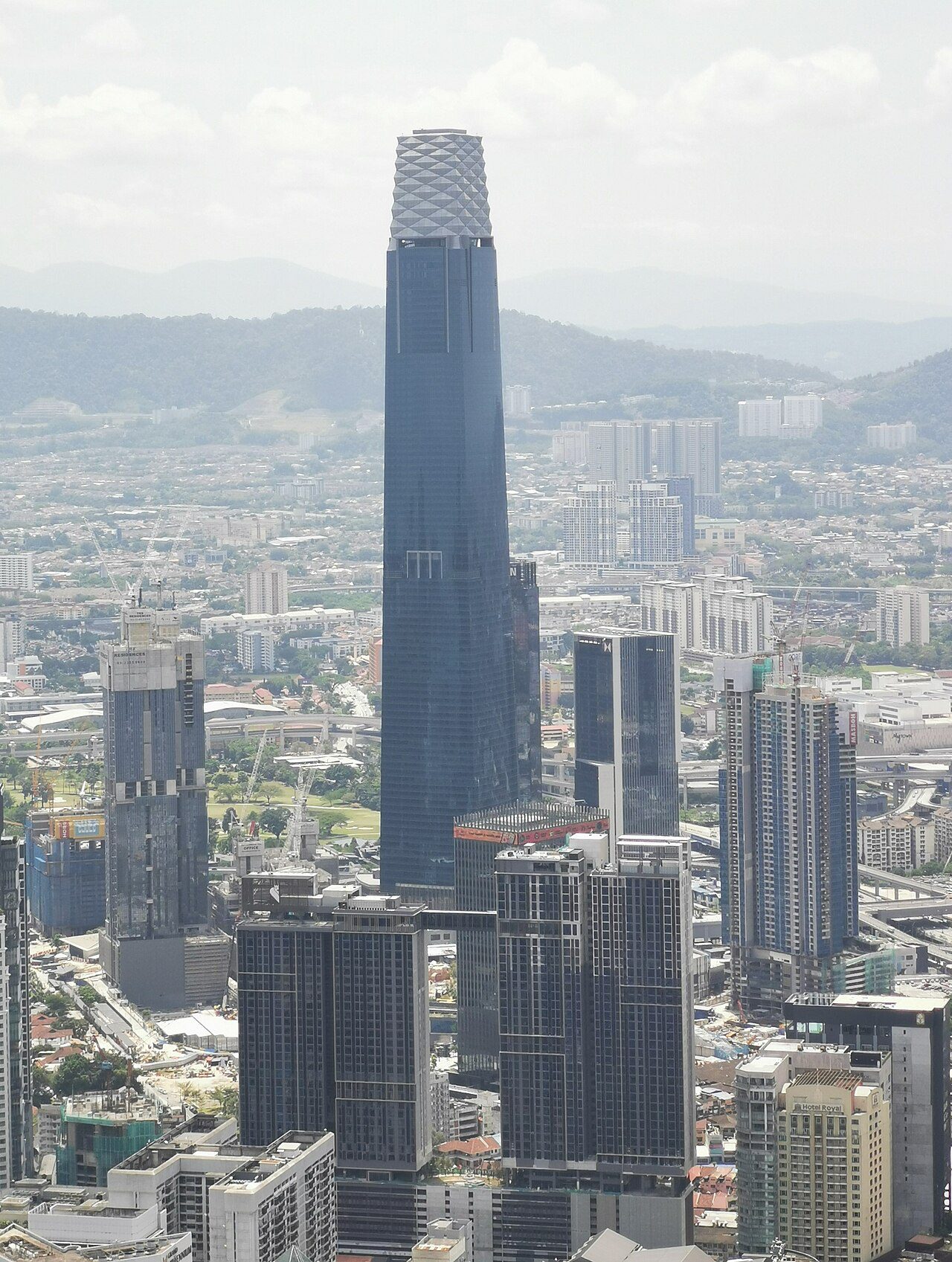

KLCC Rental Yield MM2H: Introduction
KLCC rental yield MM2H investors need to understand before making a purchase decision. Every MM2H buyer becomes a property investor, whether they planned to or not — the program’s mandatory purchase sees to that. The only question is whether the investment is underwritten or accidental. And the underwriting question for a KLCC purchase reduces to one number and its anatomy: the KLCC rental yield MM2H — what the unit earns against what you paid, who pays it, how reliably, and what separates the buildings that deliver 5% from the neighbours delivering 3%.
This guide is the data piece: gross and net yields by price band as the market stands in 2026, the structure of KLCC’s tenant demand, the variables that actually move the yield (hint: the purchase price matters more than the rent), worked numbers for the standard MM2H scenarios, and the honest risks. Figures are indicative market ranges — individual buildings vary, and the building-level evidence is precisely what should drive a final decision.
KLCC Rental Yield MM2H: The Short Answer
Well-selected KLCC units deliver gross KLCC rental yield MM2Hs of roughly 4–5.5% in 2026, with the band’s top end concentrated in established mid-market towers bought at sensible psf, and its bottom end in branded and ultra-prime stock where capital values outrun rents. Net yields run roughly 1–1.5 points below gross after service charges, minor upkeep and letting costs. Tenant demand is anchored by corporate and expatriate leases — stable covenants on 12–24 month terms — and occupancy in well-managed established buildings has been healthy. For an MM2H Gold buyer at RM1.2–1.5 million, a realistic underwrite is RM5,000–6,500 a month on a tenanted two-bedroom unit, which comfortably carries the property’s running costs and most of the visa’s recurring expenses.
KLCC Rental Yield MM2H: Yields by Band: The 2026 Picture
| Band | Typical stock | Indicative gross yield | The story |
|---|---|---|---|
| RM1.0–1.5M | 2-bed, 900–1,300 sq ft, established towers (Stonor, Ampang fringe) | 4.5–5.5% | The yield sweet spot — deepest tenant pool, sanest entry psf |
| RM1.5–2.5M | 3-bed family units, newer core towers | 4.0–4.8% | Family-tenant segment; slightly thinner demand, bigger covenants |
| RM2.5M+ | Branded residences, ultra-prime | 3.0–4.0% | Capital-preservation stock; the badge premium isn’t in the rent |
The inverse relationship between price band and yield is the market’s most reliable pattern, and it carries the central lesson for MM2H buyers: yield is made at purchase, not at letting. The same RM5,500 monthly rent is a 5.3% yield on a RM1.25 million purchase and a 4.1% yield at RM1.6 million for the equivalent unit bought badly.
Asking-to-transacted spreads in the district are real; the buyer working from transaction evidence rather than listing prices starts a point ahead before the tenancy begins.
KLCC Rental Yield MM2H: Who Pays the Rent: The Tenant Base
KLCC’s demand is structurally different from suburban KL’s, and the difference is the investment case:
- Corporate expatriate leases — the anchor segment. Oil and gas, banking and professional-services employers leasing for posted staff, with the TRX financial district reinforcing the pipeline. Characteristics: 12–24 month terms, employer-backed payment, agent fees often borne by the tenant side, and a preference for established, well-managed buildings near the office and the park over the newest tower.
- Regional professionals and remote-working internationals — a grown segment since the hybrid-work era, leasing one- and two-bedders on similar terms, drawn by the district’s walkability.
- Medical and education stays — families around the hospital cluster and students’ families; smaller, but it fills specific buildings reliably.
- The serviced/short-stay layer — present in some towers, banned or restricted in others. Know which you are buying: short-let-heavy buildings trade yield volatility for headline rates and can drag on long-let desirability and resale.
The practical screen: ask for a building’s actual tenancy mix and recent lettings, not the district average. Established towers carry years of verifiable rental transactions — the single best predictor of what your unit will do.
KLCC Rental Yield MM2H: What Moves the Yield Between Neighbouring Buildings
Two towers, same street, a point of yield apart — the spread decomposes into knowable factors:
- Entry psf vs the building’s rent ceiling. Rents cluster tightly within a corridor; purchase prices do not. The established tower at RM1,100 psf out-yields the newcomer at RM1,700 psf renting for nearly the same money.
- Service charges (RM0.35–0.80+ psf/month) come straight out of net yield — a 1,200 sq ft unit’s difference between the bands is over RM6,000 a year, every year of a ten-year hold.
- Management quality and occupancy. Corporate tenants and their relocation agents maintain informal blacklists and favourites; a building’s reputation among them is worth more than its lobby.
- Layout and furnishing fit. The corporate market wants efficient 2-beds and family 3-beds, furnished well but not exotically. Oversized one-bedders and bare-shell luxury sit longer.
- Void discipline. A month of vacancy costs ~8% of the year’s rent; pricing realistically at renewal beats chasing the last RM200.
KLCC Rental Yield MM2H: The MM2H Worked Numbers
The Gold standard case. RM1.25M two-bedder, Stonor-area established tower, tenanted at RM5,500/month. Gross: 5.3%. Less service charges (~RM7,800/yr), quit rent/assessment (~RM2,500), upkeep and letting amortised (~RM4,500): net ≈ 4.1%, or about RM51,000 a year — against which the household’s recurring MM2H costs (insurance plus the unit’s own charges, already counted) are fully carried. The over-50 couple wintering abroad runs the visa cash-flow-positive.
The Platinum case. RM2.6M branded unit letting at RM8,500/month: gross 3.9%, net ~2.9% after the segment’s heavier charges. The return here was never the rent — it is capital preservation with income offset, as our Platinum guide frames it.
The owner-occupier’s version. Living in the unit, the “yield” is imputed: the RM5,500/month you are not paying a landlord is a tax-free 5.3% return on the same capital — worth stating because it answers the renter’s challenge (“why buy?”) with the district’s own numbers.
KLCC Rental Yield MM2H: The Honest Risk Paragraphs
Supply. The district’s 2010s build-out left a deep stock that keeps rent growth disciplined; new completions in and around the core periodically reprice the letting market’s top end. The defence is the same as ever: established buildings with sticky tenant bases, bought below replacement cost.
Currency. Yields are earned in ringgit. For the SGD- or USD-based investor the income is a partial hedge of Malaysian living costs rather than a hard-currency return — the right frame for an MM2H household, the wrong one for a pure offshore investor.
Concentration. One unit, one tenant, one district: an MM2H purchase is not a diversified portfolio and should not be underwritten like one. It is a residency-linked asset that also pays — judge it against that job description, where it scores well.
Where KLCC Fits In — and Where the Data Lives
Every number above is a market range; the decision-grade version is building-specific — actual recent lettings, actual service charges, actual occupancy — and that evidence file is exactly what ResidenceKLCC.com builds into a shortlist. Tell us your tier, budget and whether the unit will be let from day one, owner-occupied, or phased between the two, and we will underwrite the candidates with you: transacted purchase benchmarks on one side, rental evidence on the other, net yield computed honestly in between.
The mandatory purchase is the program’s biggest number; it should also be its best-documented one.
Frequently Asked Questions
Are KLCC yields better than Mont Kiara or Bangsar? The bands overlap; KLCC’s edge is tenant-base depth and resale liquidity rather than a headline yield premium. The established-tower sweet spot in KLCC matches or beats the alternatives with a stronger exit market attached.
Should I furnish the unit? For the corporate market, yes — well-furnished units lease faster and at better rates; budget RM40,000–80,000 for a 2-bed done to segment standard and amortise it into the underwrite.
What about Airbnb-style letting? Building-dependent and increasingly regulated; many of the best long-let towers restrict it. For a visa-linked, decade-long hold, the long-let corporate market is the lower-variance strategy.
Is rental income taxed? Yes — Malaysian-source rental income is taxable; register with LHDN and deduct the allowable expenses. The net-yield figures above are pre-tax; see our tax guide.
Yields, rents and costs are indicative market ranges as of mid-2026 and vary by building, unit, floor and condition; verify against building-level transaction and rental evidence before purchasing. Last updated: June 2026.
Conclusion
Handled properly, this part of the MM2H journey turns from a source of uncertainty into a planned, orderly step. Take the detail above, verify the current figures with the relevant authority and a licensed MM2H agent, and let the structure work in your favour rather than against your timeline. When the visa and the property decision are planned together, the whole move runs as one coherent plan.
Similar Topics
- MM2H Gold Tier: Is the 15-Year Visa Worth USD 500,000?
- MM2H Platinum Tier: Everything the 20-Year Visa Includes
- Can You Rent Out Your MM2H Property? Rules on Letting and Income
- Cost of Living in Kuala Lumpur for MM2H Holders: 2026 Budget Guide
- The True Cost of MM2H: Deposits, Property, Fees and Annual Expenses
References
- Ministry of Tourism, Arts and Culture Malaysia (MOTAC) — Malaysia My Second Home (MM2H) Programme. https://www.mm2h.gov.my
- Inland Revenue Board of Malaysia (LHDN / Lembaga Hasil Dalam Negeri). https://www.hasil.gov.my
- MM2H Programme – Official Portal
Citations identify the authoritative bodies governing each topic; figures and rules reflect publicly available guidance as of mid-2026 and are subject to change. Verify current specifics with the relevant authority and a licensed MM2H agent before acting.
Important Notice
MM2H requirements and immigration policies may change.
Always verify the latest information with relevant Malaysian government authorities or authorised programme operators before making any financial or relocation decisions.