
Living in KLCC MM2H: Introduction
Living in KLCC MM2H: the neighbourhood guide that actually tells you how the streets work. Most articles about KLCC describe a skyline. This one describes a neighbourhood — because once your MM2H pass is endorsed and your qualifying property purchased, KLCC stops being a postcard and becomes the place you buy groceries, see your doctor, walk off your dinner and live the years your visa just bought you. And as a place to live, the district is both better and more varied than the tourist literature suggests.
KLCC is not one neighbourhood but half a dozen micro-neighbourhoods within a fifteen-minute walk of each other, each with a different rhythm, price point and resident profile. For MM2H holders — who must buy here to live here, and hold what they buy for a decade — choosing the right corner matters as much as choosing the right building. This guide walks the district the way a resident experiences it, then covers the practical layer: healthcare, transport, daily costs, schooling access and the social fabric that decides whether a foreign city ever becomes home. For anyone weighing Living in KLCC MM2H, this detail matters.
Living in KLCC MM2H: KLCC in One Paragraph
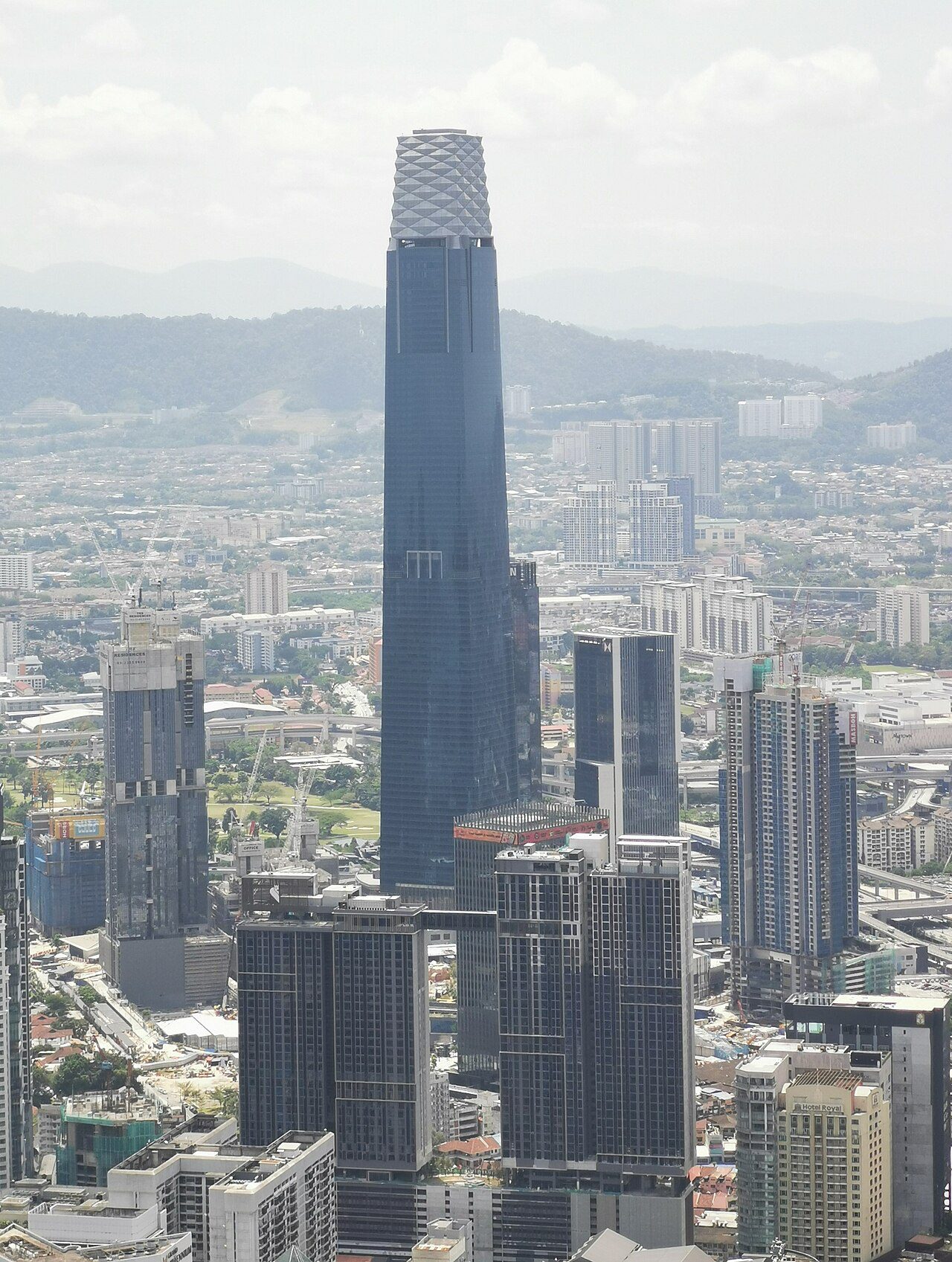
The district wraps around the 50-acre KLCC Park and the Petronas Twin Towers, bounded loosely by Jalan Ampang to the north, Jalan Tun Razak to the east, Bukit Bintang to the south and Jalan P. Ramlee to the west — with the Tun Razak Exchange (TRX) financial district a few minutes beyond. Within that footprint: Malaysia’s deepest concentration of luxury residences, two world-class malls, the country’s best private hospital cluster within a short drive, three rail lines, and a resident mix of corporate expatriates, regional investors, MM2H families and affluent locals. It is the most walkable, most international square kilometre in Malaysia — and the only major one where daily life genuinely functions without a car. That practical texture is central to Living in KLCC MM2H.
Living in KLCC MM2H: The Micro-Neighbourhoods
The Park Edge (Persiaran KLCC / Jalan Pinang). The front row: residences facing the park itself, where the morning view is fifty acres of green and the evening soundtrack is the Lake Symphony fountains. This is the district’s prestige core and its price ceiling — predominantly RM2 million-plus stock, much of it branded — and the natural habitat of Platinum-tier buyers. Life here is lived on foot: park jogging track at 7am, Suria KLCC for everything, dinner in the hotel dining rooms along Jalan Pinang. It is one of the real upsides of Living in KLCC MM2H.
The Stonor Enclave (Jalan Stonor / Persiaran Stonor). One street back from the glamour and the district’s best-kept secret: leafy, low-traffic, surprisingly quiet, with a mix of established luxury condominiums and newer towers. Prices run a band below the park edge for nearly the same walkability, which is why the enclave is the sweet spot for Gold-tier buyers and the corner we most often recommend to first-time KLCC residents. The resident profile skews families and long-stayers rather than short-let traffic. This is part of what makes Living in KLCC MM2H so convenient.
Jalan Ampang / Embassy Row. The district’s northern spine, running past the Royal Selangor Club padang of greenery, embassies in colonial bungalows, and an older generation of condominiums with generous floor plates at the most accessible psf in the core. More traffic noise, more local texture, more square footage per ringgit — the value play, particularly for buyers prioritising space. In short, Living in KLCC MM2H suits residents who value walkability.
The Conlay/Kia Peng Quarter. Between KLCC and Bukit Bintang, anchored by hotel-branded towers and the Pavilion orbit. Buyers here are choosing connectivity to two districts — the park on one side, Bukit Bintang’s dining and retail sprawl on the other — at the cost of a slightly less green immediate environment. Cost-wise, Living in KLCC MM2H spans a wide range of budgets.
The TRX Fringe. The newest edge: residences orbiting the Tun Razak Exchange, with the Exchange TRX mall, a parkline of its own and the MRT directly beneath. Stock is newer, histories shorter; the trade-off discussed in our Gold tier guide applies — but as a place to live, TRX has matured fast, and its mall has quietly become the district’s best.
Living in KLCC MM2H: Daily Life: The Honest Texture
Groceries and errands. The district runs on its mall basements — full supermarkets in Suria KLCC, Exchange TRX and the Intermark — plus speciality grocers (Japanese, Korean, organic) scattered through the podiums. Prices for imported goods run high; local produce, bought where locals buy it, does not. Delivery apps blanket the area and most residents use them weekly.
Eating. The range is the point: hawker mee at the Kampung Baru fringe for RM10, mid-range everything across the malls, and a genuine fine-dining bench in the hotels and around Conlay. A couple eating out daily, mixing tiers, spends in a month what a fortnight of equivalent eating costs in Singapore.
The park. Undersold in every brochure: KLCC Park is the district’s living room. The 1.3km rubberised track fills with runners from 6.30am, the playground and wading pool anchor family afternoons, and the evening fountain crowds are the closest thing the district has to a town square. Residences with direct park access trade at a premium because residents use it daily — factor that into the buying decision, not just the view.
Climate rhythm. Equatorial life reorganises the day: outdoors early, indoors (or poolside, shaded) through the afternoon, outdoors again after five. The afternoon thunderstorm is a scheduling fact. Every building in the segment is engineered around this — pools, gyms, covered links — and after a few months the rhythm feels less like a constraint than a structure.
Living in KLCC MM2H: Healthcare: The Quiet Headline
For many MM2H residents — particularly the over-50s the program attracts — this is the district’s strongest practical card. Within fifteen minutes’ drive sit several of Malaysia’s leading private hospitals, including the Ampang–U-Thant cluster and the city-centre institutions, offering internationally accredited care at a fraction of Singapore or Hong Kong pricing: specialist consultations commonly RM80–250, health screenings at a few hundred ringgit, and major procedures at costs that explain Malaysia’s medical-tourism volumes. Routine care is even closer — clinics, dental and physio in the mall podiums themselves. Your MM2H insurance covers the structure; the district supplies the access. Our healthcare guide maps the specific hospitals.
Getting Around: The Car-Optional District
KLCC is served by the LRT (KLCC and Ampang Park stations), the MRT (Persiaran KLCC and TRX interchange), and the monorail at its Bukit Bintang edge — plus elevated, air-conditioned walkways stitching the core together, including the link bridge to Pavilion. Grab functions as the default second car. Most resident couples find one car sufficient and a meaningful minority keep none — a sentence that can be written about almost nowhere else in Malaysia. The airport runs 45–60 minutes by car or 28 by KLIA Ekspres from KL Sentral.
What It Costs to Live Here
Beyond the property itself, a realistic monthly budget for a comfortable MM2H couple in the district: service charges RM700–1,800 depending on building; utilities with steady air-conditioning RM300–500; groceries RM1,500–2,500; eating out on the pattern above RM2,000–4,000; one car with parking and fuel RM1,200–1,800, or a Grab-only line of RM600–900; domestic help (part-time, twice weekly) RM600–800. Call it RM7,000–11,000 a month for a genuinely comfortable urban life — the full breakdown lives in our cost of living guide.
Families, Schools and the Social Fabric
International schools do not sit inside the district — they ring it, in Ampang Hilir, Mont Kiara and the southern corridor, with school buses serving every major KLCC tower; commutes run 15–35 minutes. The social infrastructure for newcomers is unusually soft-landing: expat associations, the international women’s groups, building communities that actually function, hash runs, and the standing truth that English works everywhere. Most new residents report the same arc: three months of finding their corners, then a neighbourhood.
Where ResidenceKLCC Fits In
Choosing which KLCC is the real decision — park edge or Stonor quiet, Ampang space or TRX newness — and it is a decision about your daily life as much as your qualifying asset. ResidenceKLCC.com matches residents to corners before matching them to units: tell us your household, your rhythm and your tier through the enquiry form, and we will walk you through the micro-neighbourhoods on the ground before a single viewing is booked.
Frequently Asked Questions
Is KLCC too touristy to actually live in? The tourist layer is real but thin — it occupies the mall atrium and the park gates and evaporates one street back. Stonor and the Ampang side feel residential within fifty metres.
Do I need Malay to live here? No — English is the district’s working language. Learning basic Malay enriches daily life and is appreciated, but nothing depends on it.
Is the district safe? By regional capital standards, yes — the core is well-patrolled and building security in the segment is hotel-grade. Ordinary urban awareness applies, as anywhere.
Can I live in KLCC without buying there? You can rent anywhere — but your MM2H qualifying purchase must be made somewhere, and the case for making it the place you actually live is the subject of this entire site.
Costs and observations are indicative as of mid-2026 and vary by household and building. Last updated: June 2026.
Conclusion
Handled properly, this part of the MM2H journey turns from a source of uncertainty into a planned, orderly step. Take the detail above, verify the current figures with the relevant authority and a licensed MM2H agent, and let the structure work in your favour rather than against your timeline. When the visa and the property decision are planned together, the whole move runs as one coherent plan.
Similar Topics
- Cost of Living in Kuala Lumpur for MM2H Holders: 2026 Budget Guide
- Best Condos in KLCC for MM2H Retirees: Walkability, Amenities, Healthcare
- Healthcare in Kuala Lumpur for MM2H Holders: Hospitals Near KLCC
- Getting Around KL Without a Car: MRT, LRT and Walkable KLCC Living
- International Schools Near KLCC for MM2H Families
References
1. Ministry of Tourism, Arts and Culture Malaysia (MOTAC) — Malaysia My Second Home (MM2H) Programme. https://www.mm2h.gov.my
2. Ministry of Education Malaysia (Kementerian Pendidikan Malaysia). https://www.moe.gov.my
3. Immigration Department of Malaysia — Foreign Domestic Helper framework. https://www.imi.gov.my
Citations identify the authoritative bodies governing each topic; figures and rules reflect publicly available guidance as of mid-2026 and are subject to change. Verify current specifics with the relevant authority and a licensed MM2H agent before acting.
Important Notice
MM2H requirements and immigration policies may change.
Always verify the latest information with relevant Malaysian government authorities or authorised programme operators before making any financial or relocation decisions.