
Malaysia has established itself as one of Asia’s premier medical and dental tourism destinations, and for MM2H holders who live here long-term, access to world-class specialist care at a fraction of Western prices is one of the programme’s most tangible lifestyle benefits. From routine dental checkups to complex cardiac surgery, Malaysia offers a comprehensive private healthcare ecosystem with internationally trained specialists, JCIA-accredited hospitals, and modern facilities. This guide covers dental and specialist healthcare in Malaysia for MM2H holders in 2026 — what to expect, how much it costs, and how to access the best care. This guide covers dental care Malaysia options for MM2H holders.
Dental Care in Malaysia: Overview
Malaysia’s private dental sector is extensive and accessible. Private dental clinics range from neighbourhood general practice clinics to specialist dental centres offering orthodontics, implantology, oral surgery, and maxillofacial procedures. The quality of Malaysian dental training is internationally recognised — dentists graduate from UCSI University, University of Malaya, AIMST, and other institutions with curricula benchmarked to UK and Australian standards, and many senior specialists hold postgraduate qualifications from UK, Australian or American universities.
For MM2H holders, the dental cost advantage over home countries is often dramatic. A routine scale-and-polish checkup that costs USD 200–300 in the United States or AUD 200–250 in Australia costs RM60–RM150 (approximately USD 13–32) at a quality Malaysian private dental clinic. Even at specialist dental centres in KL’s medical districts, prices remain significantly below Western equivalents. This makes Malaysia genuinely attractive for dental tourism, with many MM2H holders deliberately timing elective dental procedures for their Malaysian residence periods.
Dental Costs: Routine, Cosmetic and Implants
Routine dental services in Malaysia in 2026 are priced approximately as follows. A basic consultation is RM30–RM80. A scale and polish (cleaning) costs RM80–RM180. A composite filling (tooth-coloured) is RM100–RM350 per tooth. Root canal treatment runs RM600–RM1,800 per tooth depending on the number of roots. A porcelain crown costs RM800–RM2,500 per tooth. Tooth extraction is RM50–RM300 for simple; RM300–RM800 for surgical extraction.
Cosmetic dentistry has grown substantially in Malaysia, with laser teeth whitening costing RM500–RM1,200 (versus USD 500–RM1,500 in the US) and composite veneers RM400–RM800 per tooth. Porcelain veneers from specialist cosmetic centres run RM1,200–RM3,000 per tooth, still a fraction of equivalent Western prices. Invisalign and other clear aligner treatments are available through certified providers at RM8,000–RM18,000 for a full course, compared to USD 4,000–8,000 in the US (but often with faster turnaround due to shorter appointment queues).
Dental implants represent one of Malaysia’s strongest value propositions for medical tourism. A single titanium implant with crown at a quality specialist centre in KL costs RM5,000–RM8,500 (including consultation, implant placement, abutment and crown), compared to USD 3,500–6,000 in the US, AUD 4,000–7,000 in Australia, or GBP 2,500–5,000 in the UK. For MM2H holders needing multiple implants, the savings can be substantial — often justifying the entire MM2H financial commitment many times over for those with significant dental restoration needs.
Finding Quality Dental Clinics
The Malaysian Dental Council (MDC) maintains a register of all licensed dental practitioners in Malaysia, which can be searched online to verify a dentist’s credentials. For specialist dental care, look for practitioners registered as a specialist with the MDC in their relevant speciality (orthodontics, prosthodontics, endodontics, etc.). Specialist dental centres typically display their specialist registration prominently.
Quality specialist dental centres in KL include those located in the Jalan Ampang and KLCC medical corridor, Bangsar, Damansara and Mont Kiara. Many large private hospitals also have dental departments — Sunway Medical Centre, Pantai Hospital and Prince Court Medical Centre all have comprehensive dental services. For MM2H holders in Penang, Gleneagles Hospital Penang and several independent specialist centres in Georgetown offer comparable quality. In JB, hospitals in the Johor Bahru city centre and Iskandar Puteri area serve the large cross-border patient population including Singaporeans who access Malaysian dental care for its cost advantage.
Specialist Hospitals and Accreditation
Malaysia’s flagship private hospitals are internationally accredited and regularly treat medical tourists from Singapore, Indonesia, the Middle East and beyond. Key hospitals with international accreditation or recognition in 2026 include Gleneagles Kuala Lumpur (JCIA accredited), Prince Court Medical Centre (JCIA accredited), Pantai Hospital Kuala Lumpur, Sunway Medical Centre, KPJ Healthcare hospitals (multiple locations nationwide), Gleneagles Hospital Penang (JCIA accredited), and Island Hospital Penang. These institutions have internationally trained specialist physicians, modern imaging technology (3T MRI, PET-CT, robotic surgery), and English-speaking staff throughout — critical for MM2H holders whose Malay language skills may be limited.
Specialist Consultation and Procedure Costs
Specialist consultation fees at private hospitals in Malaysia run RM150–RM500 per appointment, considerably less than equivalent specialist appointments in Australia (AUD 200–600), the UK (GBP 150–400 private) or the US (USD 200–700 with insurance, much more without). Specialist procedure costs also represent significant savings. A cardiac catheterisation costs approximately RM8,000–RM15,000 at a KL private hospital versus USD 10,000–30,000 in the US. A knee replacement runs RM25,000–RM45,000 in Malaysia versus AUD 30,000–50,000 in Australia. LASIK eye surgery costs RM2,500–RM4,000 per eye in Malaysia versus USD 2,000–4,000 per eye in the US. Colonoscopy with pathology costs RM1,500–RM3,500 in Malaysia versus USD 1,500–4,000 in the US (uninsured). Cataract surgery with premium lens runs RM4,000–RM8,000 per eye in Malaysia versus AUD 2,500–5,000 in Australia.
Malaysia as a Medical Tourism Destination
Malaysia Healthcare Travel Council (MHTC) actively promotes Malaysia as a medical tourism destination and has developed infrastructure to support international patients. MHTC-listed hospitals have dedicated International Patient Centres (IPC) that provide end-to-end services for foreign patients: appointment coordination, accommodation referrals, airport transfers, translation services, and follow-up care coordination. For MM2H holders organising care for visiting family members — elderly parents or adult children — these services make accessing specialist care straightforward and stress-free.
Malaysia has positioned itself particularly strongly in cardiology, oncology, orthopaedics, fertility treatment, dental care, ophthalmology and cosmetic surgery. The combination of JCIA-accredited hospitals, internationally-qualified specialists, English-language services, and dramatically lower costs than Western markets makes Malaysia one of the world’s top five medical tourism destinations by patient volume.
Insurance Coverage for Dental and Specialist Care
Standard MM2H medical insurance plans — required as part of the programme — typically cover hospitalisation and surgical procedures at specialist hospitals, but most basic plans exclude routine dental care and many cosmetic procedures. MM2H holders should review their policy carefully for dental coverage: some comprehensive international health insurance plans include annual dental benefits (RM3,000–RM8,000 per year) and specialist outpatient coverage, while budget plans cover hospitalisation only.
For dental care specifically, many MM2H holders find it economical to self-pay for routine dental work given Malaysia’s low prices, while maintaining comprehensive insurance for major medical events. Annual dental costs for routine maintenance in Malaysia — checkup, cleaning, minor fillings — typically total RM300–RM800 per person, well within a self-pay budget for most MM2H holders. Dental insurance riders or standalone dental plans are available from Prudential, AIA, Great Eastern and other insurers at approximately RM1,000–RM2,500 per year per person.
Penang: Malaysia’s Healthcare Hub Outside KL
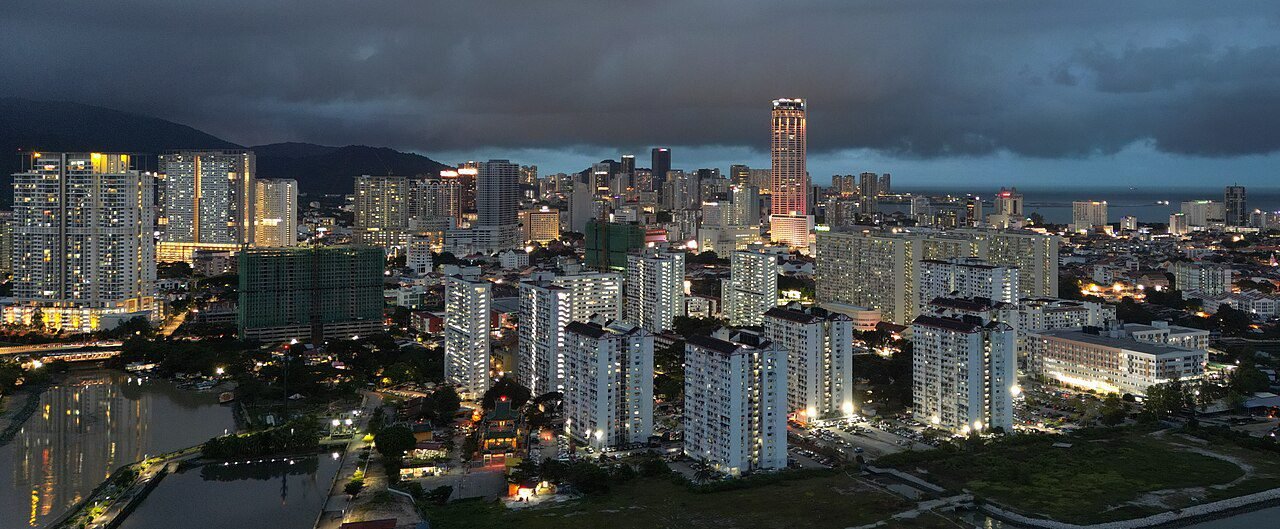
Penang has carved out a distinct reputation as Malaysia’s leading healthcare hub outside Kuala Lumpur, attracting medical tourists from Indonesia, Thailand and beyond. Island Hospital, Gleneagles Hospital Penang (JCIA-accredited), Loh Guan Lye Specialists Centre, and Penang Adventist Hospital offer comprehensive specialist services across cardiology, oncology, orthopaedics, and neurology. Penang’s private healthcare costs are generally 10–20% lower than equivalent KL hospitals for comparable procedures, while quality at the leading centres is comparable. For MM2H holders choosing Penang as their base, access to world-class healthcare is unambiguously strong — a significant advantage of the island as a lifestyle destination.
Before relocating for dental care Malaysia and other healthcare, confirm your residency eligibility on the official Malaysia MM2H programme portal.
Frequently Asked Questions
Does MM2H lead to permanent residency or citizenship?
No. It is a long-stay visa, renewable by tier, and does not convert to permanent residency or a Malaysian passport. Citizenship requires a separate pathway.
Can MM2H applicants work in Malaysia on MM2H?
Not in the ordinary sense. The base visa does not grant work rights; employment requires a separate work permit. However, higher tiers carry limited allowances — verify the current rules for your tier with MOTAC or a licensed MM2H agent.
Can the whole family come?
Yes. Spouses and dependent children can be included, and parents can be added in some circumstances, though the specific conditions depend on the tier and the operator.
Is the property purchase really mandatory?
Yes, in all tiers of the 2024 programme. The minimum purchase value depends on your tier. The property must be held for ten years from the visa endorsement date.
How long does approval take?
Typically three to six months from submission of a complete application, though timelines vary with agent workload and document completeness.
Related Articles
If you found this article useful, you may also want to read:
- Which Medical Insurance Plan Should MM2H Holders Choose?
- MM2H Medical Insurance Requirement and Typical Costs
- Healthcare in Kuala Lumpur for MM2H Holders: Hospitals Near KLCC
- Bringing Elderly Parents to Malaysia on MM2H: Healthcare and Visa Rules
- KLCC vs Penang for MM2H: City Living or Island Life?
References
- Malaysia Healthcare Travel Council (MHTC): https://www.mhtc.org.my
- Malaysian Dental Council (MDC) — Practitioner Register: https://www.mdc.gov.my
- Gleneagles Kuala Lumpur — JCIA Accredited Hospital: https://www.gleneagles.com.my
- Prince Court Medical Centre — International Patient Centre: https://www.princecourt.com
- Gleneagles Penang Hospital: https://www.gleneaglespenang.com
- Bookimed — Dental Treatment Clinics Malaysia 2026: https://us-uk.bookimed.com
Important Notice
MM2H requirements and immigration policies may change.
Always verify the latest information with relevant Malaysian government authorities or authorised programme operators before making any financial or relocation decisions.