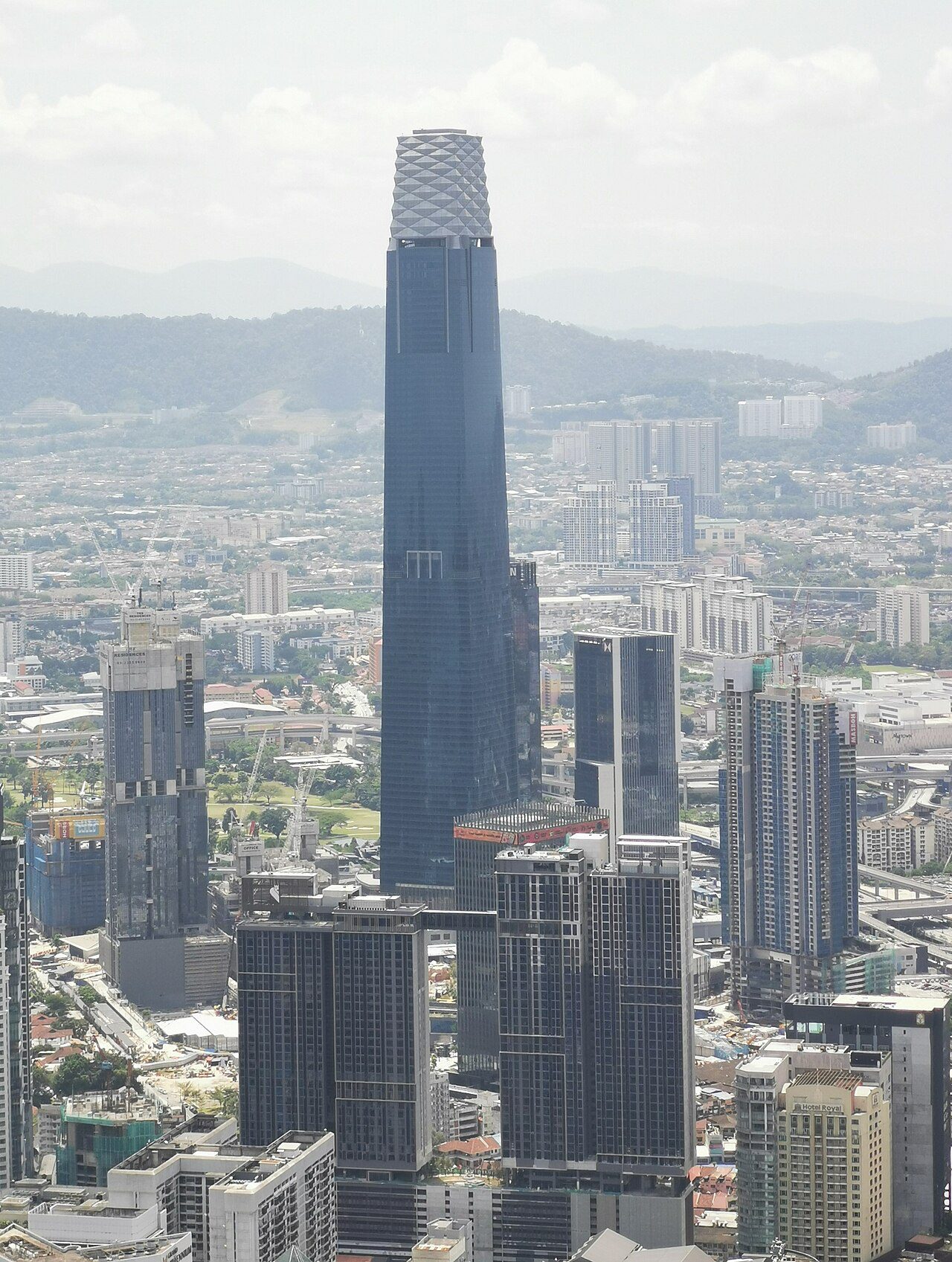

MM2H for Australians has become one of the most sought-after relocation routes in 2026. Malaysia has long been one of the most popular second-home destinations for Australians — drawn by the affordable cost of living, English-speaking environment, excellent private healthcare, warm climate, and a flight time of roughly 7–8 hours from most Australian capital cities. The MM2H programme (see the official Malaysia My Second Home programme) formalises this relationship, giving Australians a structured long-term residency pathway with well-defined financial requirements and renewable multi-entry visas across four tiers. This guide covers everything Australians need to know about MM2H in 2026, from eligibility and costs to tax implications and the best cities to live in. This complete guide to MM2H for Australians covers everything you need to know about the programme in 2026.
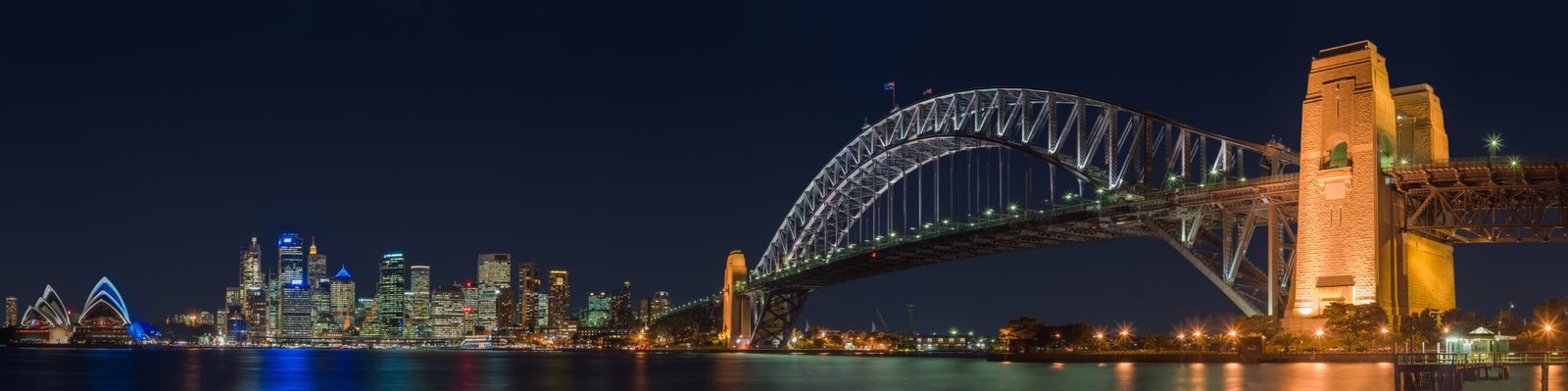
Why Australians Choose Malaysia
Australia’s cost of living has risen dramatically over the past decade, with Sydney and Melbourne consistently ranking among the most expensive cities in the world for housing, healthcare and daily expenses. For Australian retirees and semi-retirees, Malaysia offers a compelling alternative: a comfortable lifestyle at 30–50% of equivalent Australian costs, a healthcare system that rivals Australia’s private sector at a fraction of the price, and a multicultural environment that feels familiar to Australians accustomed to diversity. The large Australian expatriate community in Malaysia — particularly in Kuala Lumpur, Penang and Johor Bahru — provides a ready-made social network for new arrivals. This is what makes MM2H for Australians such a practical choice.
Australia and Malaysia enjoy strong bilateral ties, and Australian citizens face no unusual restrictions or heightened scrutiny in the MM2H application process. The two countries share historical Commonwealth connections and there is a long tradition of Australian professionals, academics and retirees living and working in Malaysia. For Australians with families, Malaysia’s international schools offer the Australian curriculum through several institutions, providing educational continuity for accompanying children. In short, MM2H for Australians offers a clear, legal route to residency.
MM2H Tier Options for Australians
The MM2H programme in 2026 offers four tiers. The SEZ Tier is based in the Johor-Singapore Special Economic Zone and has the lowest financial thresholds, making it accessible to Australians who want to test the Malaysia experience at lower financial commitment. The Silver Tier is the most popular entry-level option for Australian retirees and semi-retirees, requiring a fixed deposit of USD 100,000 and property purchase of RM600,000 (outside KL/Selangor). The Gold Tier suits Australians with higher net worth who want to purchase quality property in KL or Penang — fixed deposit USD 250,000, property RM1,000,000 minimum in KL/Selangor. The Platinum Tier targets high-net-worth Australians — investors, business owners — with a fixed deposit of USD 1,000,000 (approximately AUD 1.55 million at mid-2026 exchange rates) and property RM2,000,000 minimum. Many families researching MM2H for Australians start exactly here.
For most Australian retirees drawing superannuation or a pension, the Silver Tier represents the best starting point. The fixed deposit of USD 100,000 (approximately AUD 155,000) is manageable for most self-funded retirees, and the 50% withdrawal provision after approval means AUD 77,500 can be applied toward the property purchase or other settlement costs. Understanding this detail is key to a successful MM2H for Australians move.
Financial Requirements by Tier
Australian applicants must meet the same financial thresholds as all other nationalities. For the Silver Tier, the fixed deposit requirement is USD 100,000 (approximately AUD 154,000–160,000 depending on exchange rate), which must be placed in a Malaysian bank (Maybank, CIMB, Public Bank or similar) within 90 days of conditional approval. An additional income requirement of USD 1,500 per month from offshore sources must be demonstrated — for Australians, this is typically satisfied by superannuation drawdowns, age pension (which can be received overseas), investment income, or rental income from Australian property. It is one more reason MM2H for Australians keeps growing in popularity.
For Gold and Platinum tiers, the offshore income threshold rises to USD 5,000 and USD 10,000 per month respectively. These tiers are most appropriate for Australian applicants who have substantial investment portfolios, self-managed superannuation funds (SMSFs) with high balances, or ongoing business income from Australian operations. The Australian dollar’s performance against the USD should be factored into long-term planning, as the fixed deposit amount is denominated in USD and fluctuations can affect the AUD equivalent required. For practical planning, MM2H for Australians rewards early preparation.
Application Process for Australian Citizens
Australian citizens apply through a licensed MM2H agent — a list of MOTAC-approved agents can be found on the official MM2H portal. There is no MM2H application centre in Australia; all applications are submitted in Malaysia (or remotely through the agent with your documents). Key documents for Australians include a valid Australian passport (minimum 18 months remaining validity), certified copies of birth certificate and marriage certificate if applicable, three months of Australian bank statements showing the required income level, a police clearance certificate from the Australian Federal Police (AFP), a medical report from a Malaysian-registered doctor, and proof of health insurance. That is the appeal of MM2H for Australians in 2026.
The AFP police clearance is the most time-sensitive document — allow 10–15 business days for processing if applying online through the AFP’s National Police Check portal. The check covers criminal convictions in Australia and is internationally recognised. If you have lived in other countries for extended periods, some MM2H agents may request clearances from those countries as well, though this is not universally required. This step matters greatly for anyone pursuing MM2H for Australians.
Australian Tax Implications
The Australian Taxation Office (ATO) determines tax residency based on domicile, superannuation membership, and the totality of circumstances — not simply on whether you spend 183+ days abroad. Australians who relocate to Malaysia on MM2H must formally assess and ideally obtain ATO confirmation of their non-resident status to avoid continuing to be taxed on worldwide income as Australian residents. Key factors the ATO considers include whether you maintain an Australian home, the permanency of your overseas arrangement, and whether you have the intention to return to Australia. Simply holding an MM2H visa does not automatically make you an Australian non-resident for tax purposes. Safety and stability are central to the MM2H for Australians story.
Once Australian non-resident status is established, your Australian-sourced income (rental income, dividends, bank interest) is taxed by Australia at non-resident rates — there is no tax-free threshold for non-residents, and a flat rate of 32.5% applies from dollar one on most Australian-sourced income. The Australia-Malaysia Double Tax Agreement (DTA) prevents double taxation of most income types between the two countries. Malaysia generally does not tax foreign-sourced income remitted by non-citizens with appropriate visa status, though this has been subject to policy evolution — confirm the current position with a Malaysian tax advisor. Ultimately MM2H for Australians is about building a better life abroad.
Superannuation and Pension Abroad
Australians of preservation age (currently 60) can access superannuation while living overseas, and superannuation drawdowns from a taxed super fund are generally tax-free in Australia for those 60 and over. The Australian Age Pension can continue to be received overseas — Service Australia (formerly Centrelink) pays the pension to overseas accounts, though the pension amount may be affected by the overseas income test and proportional residency rules if you have not lived in Australia for your full working life. Notify Centrelink of your overseas move to ensure continued eligibility assessment and avoid compliance issues.
For SMSF holders, the superannuation laws require that the fund’s central management and control is ordinarily exercised in Australia. If all trustees relocate to Malaysia permanently, the SMSF may lose its complying status. SMSF trustees planning to live in Malaysia should consult an SMSF specialist before departure to restructure trustee arrangements appropriately — appointing an Australian-based corporate trustee or independent individual trustee is a common solution.
Healthcare: Australia vs Malaysia
Australians accustomed to the Medicare system will find Malaysia’s private healthcare both high-quality and dramatically more affordable — and the absence of Medicare overseas means private health insurance becomes essential. As an MM2H holder, comprehensive international health insurance covering inpatient hospitalisation, specialist consultations and emergency evacuation is required. For Australians, this replaces private health insurance cover that may have been maintained in Australia. The cost of international health insurance from providers such as Allianz Care, AXA, Cigna or BUPA ranges from RM8,000–RM25,000 per year depending on age and coverage level, significantly less than maintaining both Australian private hospital cover and gap payment exposure.
Malaysia’s leading private hospitals — Gleneagles KL, Prince Court, Pantai — are of comparable quality to Australian private hospitals for most procedures. Waiting times are minimal compared to Australia’s public system. Dental care costs approximately 20–30% of equivalent Australian private dental prices. For Australians managing chronic conditions, Malaysia’s private specialist system is well-equipped for ongoing management of diabetes, cardiovascular disease, cancer monitoring and musculoskeletal conditions.
Best Cities for Australians on MM2H
Kuala Lumpur is the top choice for most Australians, particularly those from Sydney and Melbourne backgrounds. The cosmopolitan urban environment, extensive food scene, international retail, and strong professional services make it the easiest adjustment for city-dwellers. The KLCC, Bangsar, Mont Kiara and Damansara areas are particularly popular with Australian MM2H holders.
Penang appeals strongly to Australians seeking a smaller, more relaxed environment with strong food culture, heritage architecture and a beach lifestyle. Georgetown’s café scene, farmers markets, and international community feel more like a large regional Australian city than a Southeast Asian capital. Several Australian schools and teachers are associated with Penang’s international schools, and the Australian curriculum is available.
Johor Bahru is increasingly popular with Australians who work remotely or run Singapore-connected businesses. The JS-SEZ development is bringing new infrastructure and job opportunities, and JB’s proximity to Changi Airport (with its extensive Australia connections) makes international travel simple. Property prices in JB are the most affordable of the three main cities for MM2H holders.
Frequently Asked Questions
Does MM2H lead to permanent residency or citizenship?
No. It is a long-stay visa, renewable by tier, and does not convert to permanent residency or a Malaysian passport. Citizenship requires a separate pathway.
Can Australians applicants work in Malaysia on MM2H?
Not in the ordinary sense. The base visa does not grant work rights; employment requires a separate work permit. However, higher tiers carry limited allowances — verify the current rules for your tier with MOTAC or a licensed MM2H agent.
Can the whole family come?
Yes. Spouses and dependent children can be included, and parents can be added in some circumstances, though the specific conditions depend on the tier and the operator.
Is the property purchase really mandatory?
Yes, in all tiers of the 2024 programme. The minimum purchase value depends on your tier. The property must be held for ten years from the visa endorsement date.
How long does approval take?
Typically three to six months from submission of a complete application, though timelines vary with agent workload and document completeness.
Related Articles
If you found this article useful, you may also want to read:
- MM2H Silver vs Gold vs Platinum: Which Tier Should You Choose?
- MM2H Pension and Investment Income Tax 2026
- Which Medical Insurance Plan Should MM2H Holders Choose?
- KLCC vs Penang for MM2H: City Living or Island Life?
- MM2H Requirements 2026: The Complete Guide to All Four Tiers
References
- Ministry of Tourism, Arts and Culture (MOTAC) — MM2H 2026: https://www.motac.gov.my
- Australian Taxation Office (ATO) — Tax Residency Rules: https://www.ato.gov.au
- Australian Federal Police — National Police Check: https://www.afp.gov.au/npc
- Services Australia — Australian Age Pension Overseas: https://www.servicesaustralia.gov.au
- Australia-Malaysia Double Tax Agreement: https://www.ato.gov.au
- Malaysia Healthcare Travel Council (MHTC): https://www.mhtc.org.my
Important Notice
MM2H requirements and immigration policies may change.
Always verify the latest information with relevant Malaysian government authorities or authorised programme operators before making any financial or relocation decisions.