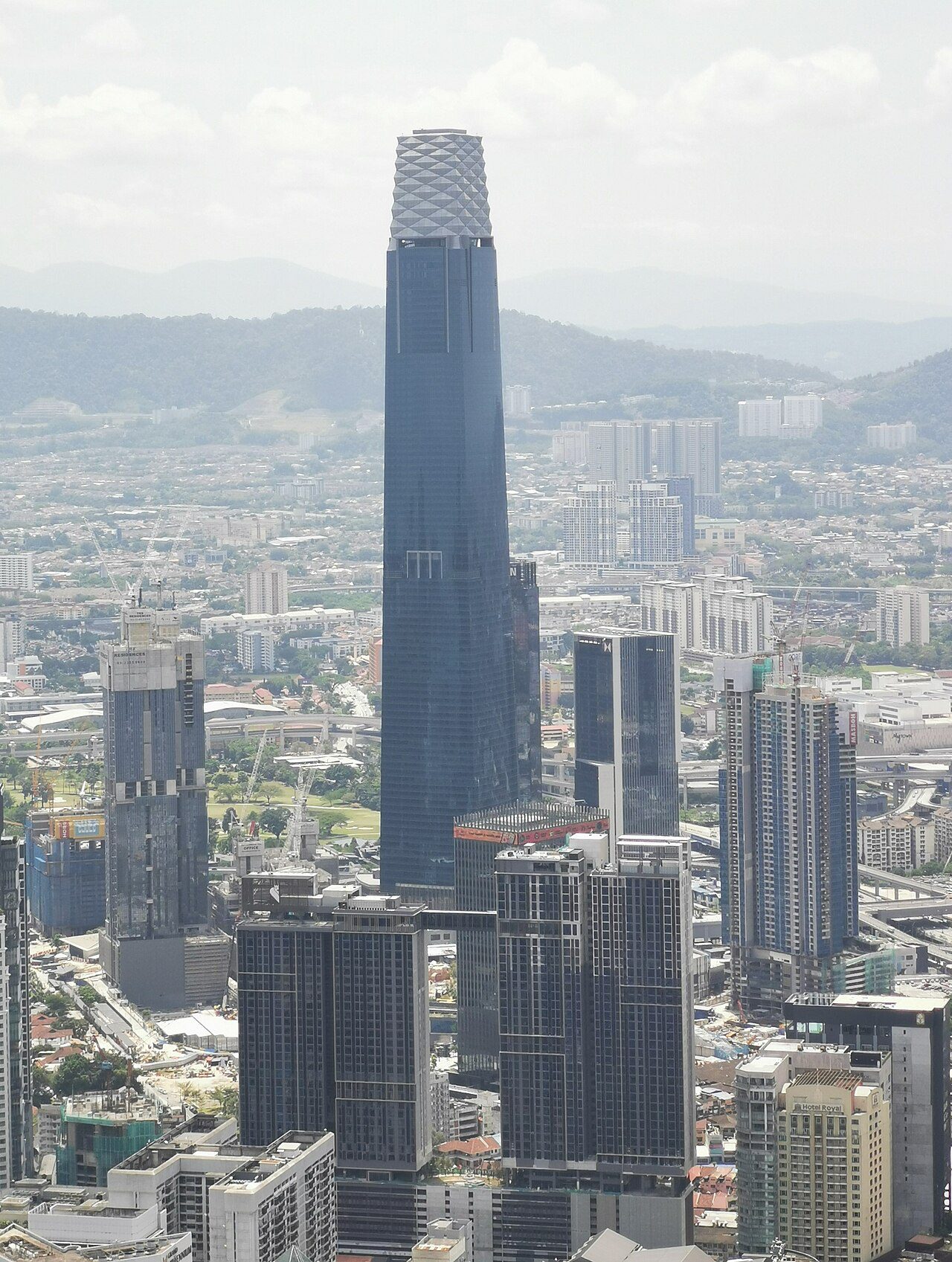

MM2H for MM2H for Singaporeans: Introduction
MM2H for MM2H for Singaporeans is one of the most natural fit combinations in Asia. No nationality has a stronger practical case for MM2H than MM2H for Singaporeans. The two countries share a border, a business culture, two languages and a one-hour flight between capitals — and a cost-of-living gap that has widened into a chasm. A Singaporean dollar goes roughly three times further in Kuala Lumpur, private healthcare that costs thousands at home costs hundreds across the Causeway, and the RM2 million that buys a Platinum-tier luxury residence beside KLCC Park would barely open the conversation for a comparable address in District 9 or 10.
It is no surprise, then, that MM2H for Singaporeans have long been among the largest applicant groups for Malaysia My Second Home. This guide covers what the 2026 framework requires of Singaporean applicants specifically, how the process runs from Singapore, the financial and CPF considerations unique to your situation, and how to decide between the obvious bases — Johor Bahru for proximity, Kuala Lumpur for the full capital-city life.
MM2H for Singaporeans: What Singaporeans Need to Qualify
The requirements are the same for every nationality: choose a tier (SEZ, Silver, Gold or Platinum), place a USD fixed deposit (from USD 32,000 for over-50 SEZ applicants to USD 1 million for Platinum), and complete a mandatory property purchase within 12 months of visa endorsement (minimums from RM500,000 to RM2 million by tier). Applications must go through a MOTAC-licensed agent — direct applications are rejected. Minimum age is 25 (21 for SEZ), and over-50 applicants face no minimum stay requirement, which suits Singaporeans planning a two-city life perfectly.
MM2H for Singaporeans: The Tiers Through a Singaporean Lens
| SEZ | Silver | Gold | Platinum | |
|---|---|---|---|---|
| Fixed deposit (USD) | 65,000 / 32,000 (50+) | 150,000 | 500,000 | 1,000,000 |
| Approx. SGD equivalent* | ~S$88k / 43k | ~S$200,000 | ~S$675,000 | ~S$1.35 million |
| Property minimum | RM500,000 (zones) | RM600,000 | RM1,000,000 | RM2,000,000 |
| Visa term | 10 years | 5 years | 15 years | 20 years |
*Indicative; the obligation is USD-denominated.
Seen in Singapore dollars, the tiers land differently than they do for most nationalities. The Gold deposit of roughly S$675,000 — half of which returns after the property purchase — is within reach of a substantial share of Singaporean households approaching retirement, particularly anyone monetising an HDB flat or private property at today’s values. The sale of a single Singapore condominium can comfortably fund the entire Gold package: deposit, KLCC property and several years of living costs, with change.
One structural note for KL-bound applicants: Kuala Lumpur’s foreign-ownership floor of RM1 million means Silver’s RM600,000 property minimum is academic in the capital. If KL is the plan, Gold is the natural tier — same city, RM1 million purchase either way, but 15 years of visa instead of 5.
MM2H for Singaporeans: The SEZ Question: Forest City and the JB Option
For Singaporeans specifically, the SEZ tier deserves an honest paragraph. Its numbers are the gentlest in the programme — USD 32,000 deposit for over-50s, RM500,000 property minimum — and its designated zone, Forest City, sits minutes from Tuas. For someone whose entire purpose is a low-cost weekend base across the border, it can work.
The trade-offs are real, though: your qualifying purchase is confined to a designated zone rather than the open market, the completion window is the shortest in the programme, and you are buying into a development whose resale market is thinner and whose long-term trajectory is still being written. Measured against the ten-year holding reality of an MM2H property, many Singaporean buyers conclude that the Gold tier’s open-market access — and specifically the deep, liquid, corporate-tenanted KLCC market — is the safer home for the larger sum.
MM2H for Singaporeans: Applying from Singapore: The Practical Run-Through
The process mirrors the standard application sequence, with a few Singapore-specific notes:
- Documents. Your Certificate of Clearance (CoC) from the Singapore Police Force requires a supporting reason — obtain your agent’s letter first, and sequence the CoC close to submission since clearances have short validity. NRIC, passport, CPF statements, IRAS Notices of Assessment and bank statements form the financial core; everything is already in English, which removes the translation burden most nationalities carry.
- Income evidence. Salaried Singaporeans are the easiest case in the programme: payslips, employer letter and NOAs reconcile cleanly. Retirees should document CPF LIFE payouts, annuities or SRS drawdowns as their stable income stream.
- Geography helps. The CAL-stage formalities — bank account, deposit placement, medical, endorsement — are a short flight or drive away, and many Singaporean applicants clear the whole stage in a single week’s trip.
MM2H for Singaporeans: Money Matters: CPF, Tax and the Exchange Rate
CPF. Your CPF savings are unaffected by taking up MM2H — the pass is a Malaysian long-term social visit pass, not a renunciation of anything. CPF LIFE payouts continue wherever you live and serve as excellent “stable offshore income” evidence. Note that CPF monies themselves cannot simply be redirected to fund the deposit before the applicable withdrawal ages; most applicants fund MM2H from property proceeds or investment portfolios instead.
Tax. Singapore does not tax based on citizenship, and Malaysia does not tax foreign-source income remitted by MM2H holders under current practice — a combination that makes the arrangement unusually clean. Singapore-source income (rental from a retained HDB or condo, director fees) remains taxable in Singapore as normal. Spending 183+ days in Malaysia makes you Malaysian tax resident, which for a retiree living on Singapore-source income and savings typically changes little, but get personal advice if you have business income — and see our tax residency guide.
The exchange rate. The SGD has been persistently strong against the ringgit, which is the entire arbitrage: income and assets denominated in SGD, life priced in RM. Converting the USD deposit from SGD is a one-time decision worth executing carefully — on a Gold deposit, the difference between a board rate and a negotiated rate is real money (our fixed deposit guide covers this).
JB or KL? Choosing Your Base
Johor Bahru is the proximity play: same-day access to Singapore, the RTS Link arriving to transform the commute, and house-and-garden living at prices KL itself cannot match. It suits applicants keeping one foot firmly in Singapore — a working spouse, grandchildren, weekly commitments.
Kuala Lumpur is the lifestyle-upgrade play: a genuine capital city with the region’s best-value private healthcare cluster, international schools at a third of Singapore fees, a dining and arts scene of its own, and — decisive for the MM2H purchase itself — the country’s deepest market for foreign-owned property. A KLCC unit is not just a home; it is the qualifying asset you must hold for a decade, and KLCC’s corporate tenant base and resale liquidity protect that asset in a way few JB addresses can. Many Singaporean couples resolve the question with the over-50 rule: no minimum stay means KL as the base, Singapore whenever you please.
Where KLCC Fits In
For a Singaporean Gold applicant, the KLCC arithmetic is familiar comfort: RM1.2–1.5 million — around S$350,000–430,000 — buys a tenanted two-bedroom unit in an established condominium beside the park, yielding 4–5% gross from corporate tenants, in a market where you can verify a decade of transactions before signing. That is HDB-resale money for a Petronas-Towers postcode, with your visa condition satisfied in a single sub-sale transaction that closes in months. ResidenceKLCC.com works with Singaporean applicants throughout: tier-matched shortlists of completed, title-verified units, viewings consolidated into a weekend trip, and coordination with your MM2H agent and lawyer so the purchase lands well inside your deadline. Send us your tier and timeline through the enquiry form.
Frequently Asked Questions
Can Singaporeans hold MM2H without affecting citizenship or PR obligations? Yes. MM2H is a Malaysian long-term social visit pass — it confers residency rights in Malaysia and takes nothing from your Singapore status.
Do I need to live in Malaysia full-time? Applicants aged 50 and above have no minimum stay. Those aged 25–49 must spend at least 90 days a year in Malaysia.
Can I keep working in Singapore while on MM2H? Yes — MM2H restricts working in Malaysia (Platinum excepted), not your employment elsewhere. Many holders work in Singapore and live, or part-live, in Malaysia.
Can my parents come under my application? Yes — parents and parents-in-law can be included as dependents, alongside your spouse and unmarried children under 35.
Requirements per MOTAC guidance as of mid-2026; SGD equivalents indicative. Singapore tax and CPF positions depend on personal circumstances — verify with a licensed MM2H agent and a tax adviser. Last updated: June 2026.
Conclusion
Handled properly, this part of the MM2H journey turns from a source of uncertainty into a planned, orderly step. Take the detail above, verify the current figures with the relevant authority and a licensed MM2H agent, and let the structure work in your favour rather than against your timeline. When the visa and the property decision are planned together, the whole move runs as one coherent plan.
Similar Topics
- MM2H Fixed Deposit Requirements by Tier: USD Amounts Explained
- MM2H for Singaporean Retirees: Stretching Your Retirement Across the Causeway
- MM2H Property Purchase Requirement 2026: Minimum Values by Tier
- Best KLCC Condos That Qualify for MM2H Gold Tier (RM1 Million and Above)
- MM2H and Malaysian Tax Residency: The 182-Day Rule Explained
References
- Ministry of Tourism, Arts and Culture Malaysia (MOTAC) — Malaysia My Second Home (MM2H) Programme. https://www.mm2h.gov.my
- Ministry of Education Malaysia (Kementerian Pendidikan Malaysia). https://www.moe.gov.my
- MM2H Programme – Official Portal
Citations identify the authoritative bodies governing each topic; figures and rules reflect publicly available guidance as of mid-2026 and are subject to change. Verify current specifics with the relevant authority and a licensed MM2H agent before acting.
Important Notice
MM2H requirements and immigration policies may change.
Always verify the latest information with relevant Malaysian government authorities or authorised programme operators before making any financial or relocation decisions.