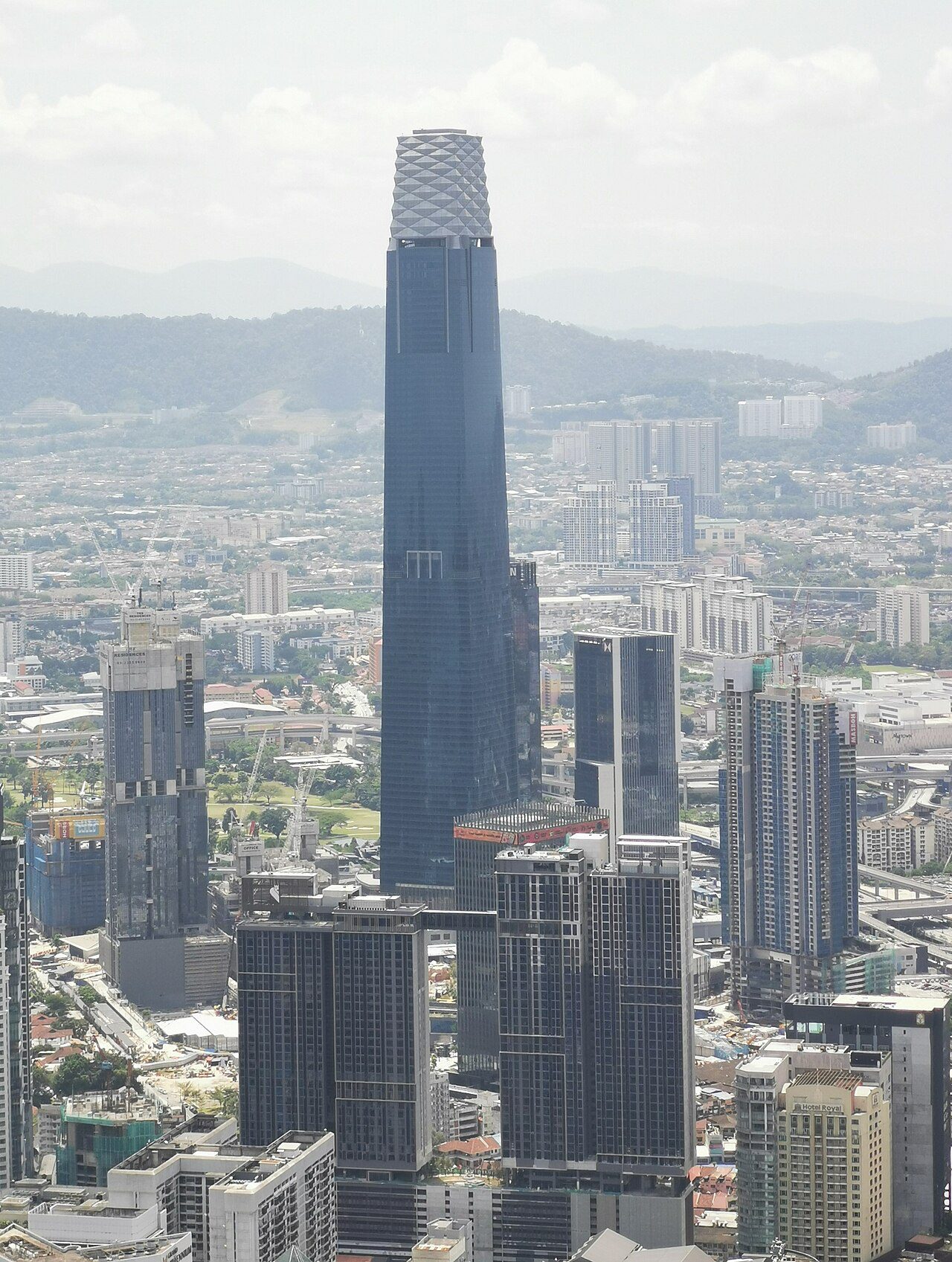

MM2H for Taiwanese Nationals has become one of the most sought-after relocation routes in 2026. Taiwan and Malaysia share deep cultural, linguistic and economic connections rooted in their shared Chinese heritage and complementary trade relationships. Malaysian Chinese communities preserve Hokkien, Cantonese, Hakka and Teochew dialect traditions that are still spoken in Taiwan’s provincial communities, creating an immediate linguistic and cultural bridge. For Taiwanese nationals seeking an overseas second home, Malaysia combines cultural familiarity with significantly lower costs, an established Mandarin-speaking community, and strong commercial ties to ASEAN markets. The MM2H programme (see the official Malaysia My Second Home programme) provides Taiwanese nationals a structured residency pathway that has been growing steadily in popularity. This guide covers the complete MM2H process for Taiwanese nationals in 2026. This complete guide to MM2H for Taiwanese Nationals covers everything you need to know about the programme in 2026.
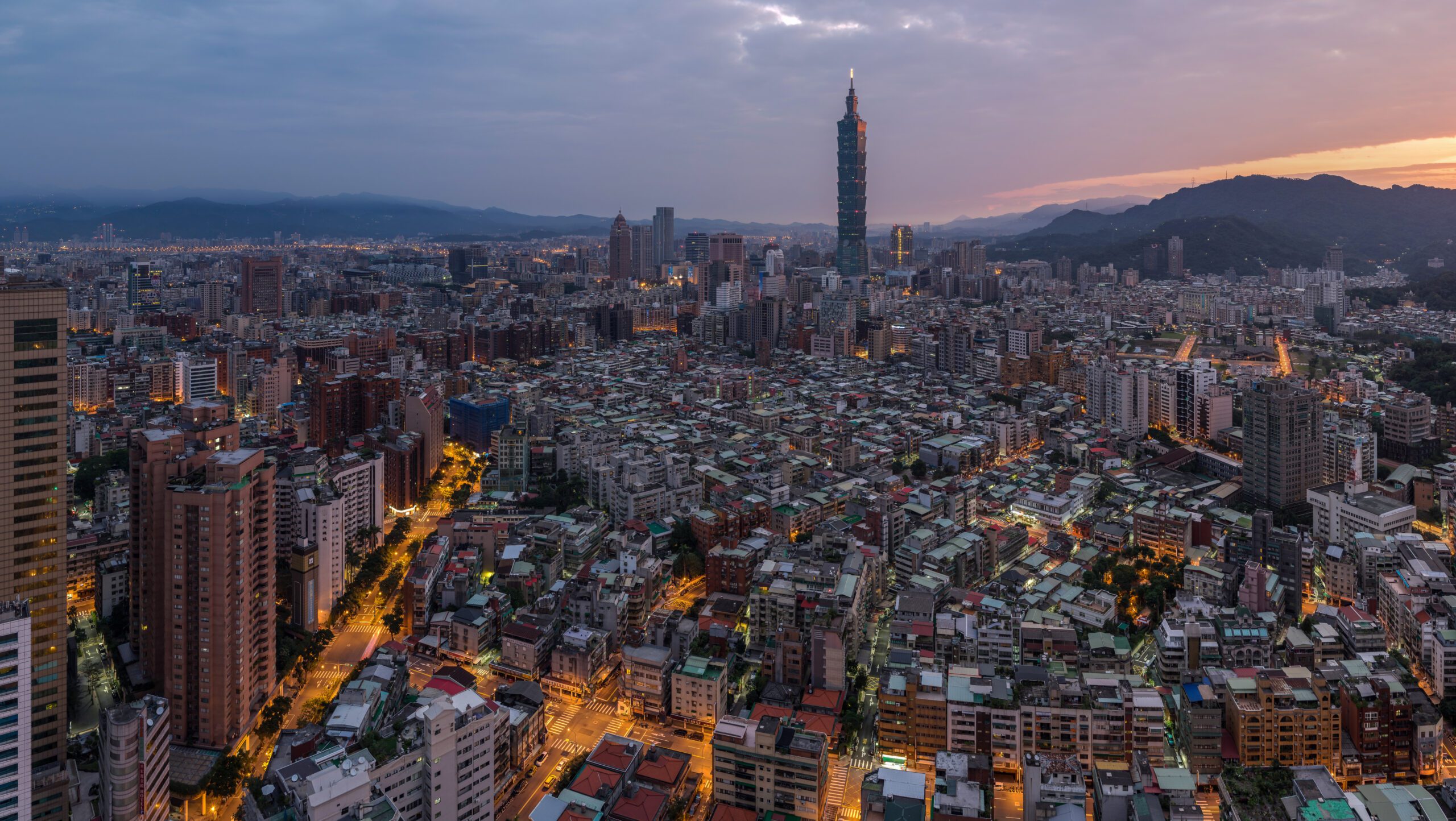
Why Taiwanese Choose Malaysia
Taiwan’s high property prices — particularly in Taipei, New Taipei and Taichung — combined with a densely populated urban environment and Taiwan’s geopolitical tension with mainland China, drive many Taiwanese to consider overseas second homes. Malaysia offers an ASEAN-based alternative with cultural familiarity, Mandarin widely spoken, excellent food culture (Malaysia’s Chinese food preserves regional cooking traditions beloved by Taiwanese), and significantly lower property prices and cost of living. A comfortable 2-bedroom condo in KL’s mid-range areas costs 30–40% of a comparable Taipei property. This is what makes MM2H for Taiwanese Nationals such a practical choice.
Malaysia’s large Malaysian Chinese community — approximately 23% of Malaysia’s 33 million population — provides an immediate social and commercial network for Taiwanese arrivals. Malaysian Chinese business culture is familiar to Taiwanese business people; the Guanxi (relationship) networks, Chinese New Year traditions, and dialect associations create a soft cultural landing. The abundance of Hokkien speakers in Penang is particularly resonant for Taiwanese whose family origins are in Southern Fujian province. In short, MM2H for Taiwanese Nationals offers a clear, legal route to residency.
MM2H Tier Options for Taiwanese Nationals
Taiwanese nationals qualify for all four MM2H tiers. At mid-2026 exchange rates (approximately TWD 32 to USD 1), the Silver Tier fixed deposit of USD 100,000 equates to approximately TWD 3.2 million — very accessible for established Taiwanese professionals and business owners. The income requirement of USD 1,500/month (approximately TWD 48,000/month) is typically met by Taiwanese business dividend income, rental income from Taiwanese properties, or investment fund withdrawals. Gold and Platinum tiers suit Taiwanese investors making larger capital deployments into Malaysian property and financial instruments. Many families researching MM2H for Taiwanese Nationals start exactly here.
Documents for Taiwanese Applicants
Taiwanese nationals require a police clearance certificate (警察刑事紀錄證明書 — Police Criminal Record Certificate) from the National Police Agency, Ministry of Interior of Taiwan. This is obtained through local police stations or the NPA online system and typically takes 3–7 business days. Taiwan joined the Apostille Convention in 2019 through its unofficial international engagement, but apostille status for Taiwanese documents is complicated by Taiwan’s political status. MM2H agents with Taiwanese client experience know the appropriate authentication pathway. Taiwanese financial statements (from Cathay, Fubon, CTBCBank, Taipei Fubon Commercial Bank) with certified Traditional Chinese to English translation, and household registration documents (戶籍謄本) for family applications, form the core documentation package. Understanding this detail is key to a successful MM2H for Taiwanese Nationals move.
Taiwanese Tax Considerations
Taiwan’s income tax is based on residency, with residents taxed on worldwide income. Taiwanese who spend fewer than 183 days per year in Taiwan become non-residents for tax purposes and are taxed only on Taiwan-sourced income. The Taiwan-Malaysia relationship does not currently have a formal Double Taxation Agreement, as Malaysia does not recognise the ROC government officially. This means Taiwanese nationals living in Malaysia must manage potential double taxation risk independently, through careful structuring of income flows. Dividends from Taiwanese companies, Taiwan-sourced rental income, and capital gains from Taiwan property remain subject to Taiwan’s tax jurisdiction regardless of where the holder lives. A Taiwan-licensed tax advisor with international experience should be consulted before establishing MM2H residency. It is one more reason MM2H for Taiwanese Nationals keeps growing in popularity.
Mandarin-Language Environment in Malaysia
Mandarin is widely spoken across Malaysia’s Chinese community in its Taiwanese (Traditional character) form as well as Simplified. Malaysian Chinese television channels, newspapers (Sin Chew Daily, Nanyang Siang Pau), radio stations and social media content are in Traditional Chinese characters — immediately readable to Taiwanese arrivals. KL’s Cheras, Kepong, Subang Jaya and Petaling Jaya areas have Mandarin-dominant commercial environments where daily life can be conducted entirely in Chinese. In Penang’s Georgetown, Hokkien (台語/Taiwanese) is the dominant Chinese dialect among older residents, creating a profound linguistic and cultural familiarity for Taiwanese from Hokkien-speaking families. For practical planning, MM2H for Taiwanese Nationals rewards early preparation.
Education for Taiwanese Families
Malaysia’s Chinese independent secondary schools (independent Chinese schools) are particularly relevant for Taiwanese families. These schools teach in Traditional Chinese characters, follow a curriculum similar to the Taiwanese Junior/Senior High School framework, and prepare students for the Unified Examination Certificate (UEC) — which is recognised by Taiwanese universities for direct admission. Taiwanese children can attend Malaysian Chinese independent schools and seamlessly re-enter the Taiwanese education system upon return, or pursue university admission in Taiwan, Malaysia, Singapore, or internationally. Tuition fees at independent Chinese schools are a fraction of international school costs — RM3,000 to RM8,000 per year — making quality Chinese-medium education accessible even for Silver Tier holders managing their budget carefully. That is the appeal of MM2H for Taiwanese Nationals in 2026.
Business and Investment
Taiwan and Malaysia have robust bilateral trade in electronics, semiconductors, manufacturing equipment and food products. Taiwanese companies including Foxconn, Pegatron, and numerous SME manufacturers have operations in Malaysia. Taiwanese MM2H holders with business backgrounds can leverage their residency to facilitate cross-border business, establish Malaysian distribution networks, or set up regional offices using their MM2H status as a legal anchor. The Platinum Tier’s explicit directorship permissions make it the most commercially flexible option for Taiwanese business people. This step matters greatly for anyone pursuing MM2H for Taiwanese Nationals.
Taiwanese Community in Malaysia
The Taiwanese community in Malaysia is estimated at 15,000–25,000, including business professionals, students and long-term residents. The Taiwan Trade Center in KL (operated by TAITRA — Taiwan External Trade Development Council) facilitates business connections. Several Taiwanese-operated restaurants, bubble tea chains and night market concepts have established strong commercial presences in KL, catering to both the Taiwanese community and Malaysian Chinese customers who share similar taste profiles. The Taiwanese Chamber of Commerce in Malaysia provides business networking. Taiwan’s representative office (Taipei Economic and Cultural Office — TECO) in KL provides consular-equivalent services. Safety and stability are central to the MM2H for Taiwanese Nationals story.
Frequently Asked Questions
Does MM2H lead to permanent residency or citizenship?
No. It is a long-stay visa, renewable by tier, and does not convert to permanent residency or a Malaysian passport. Citizenship requires a separate pathway.
Can Taiwanese applicants work in Malaysia on MM2H?
Not in the ordinary sense. The base visa does not grant work rights; employment requires a separate work permit. However, higher tiers carry limited allowances — verify the current rules for your tier with MOTAC or a licensed MM2H agent.
Can the whole family come?
Yes. Spouses and dependent children can be included, and parents can be added in some circumstances, though the specific conditions depend on the tier and the operator.
Is the property purchase really mandatory?
Yes, in all tiers of the 2024 programme. The minimum purchase value depends on your tier. The property must be held for ten years from the visa endorsement date.
How long does approval take?
Typically three to six months from submission of a complete application, though timelines vary with agent workload and document completeness.
Related Articles
- MM2H for Chinese Nationals: The Complete 2026 Guide
- MM2H Requirements 2026: The Complete Guide to All Four Tiers
- International School Fees in Malaysia 2026
- MM2H and Crypto, Dividends and Passive Income Tax 2026
- KLCC vs Penang for MM2H: City Living or Island Life?
References
- Ministry of Tourism, Arts and Culture (MOTAC) — MM2H 2026: https://www.motac.gov.my
- National Police Agency Taiwan — Criminal Record Certificate: https://www.npa.gov.tw
- Taiwan Trade Center Kuala Lumpur (TAITRA): https://www.taitra.org.tw
- Taipei Economic and Cultural Office Malaysia (TECO): https://www.roc-taiwan.org/my/
- Dong Zong — Chinese Independent Schools Malaysia: https://www.dongzong.my
- ASEAN-Taiwan Business: https://www.aseantaiwan.com
Important Notice
MM2H requirements and immigration policies may change.
Always verify the latest information with relevant Malaysian government authorities or authorised programme operators before making any financial or relocation decisions.