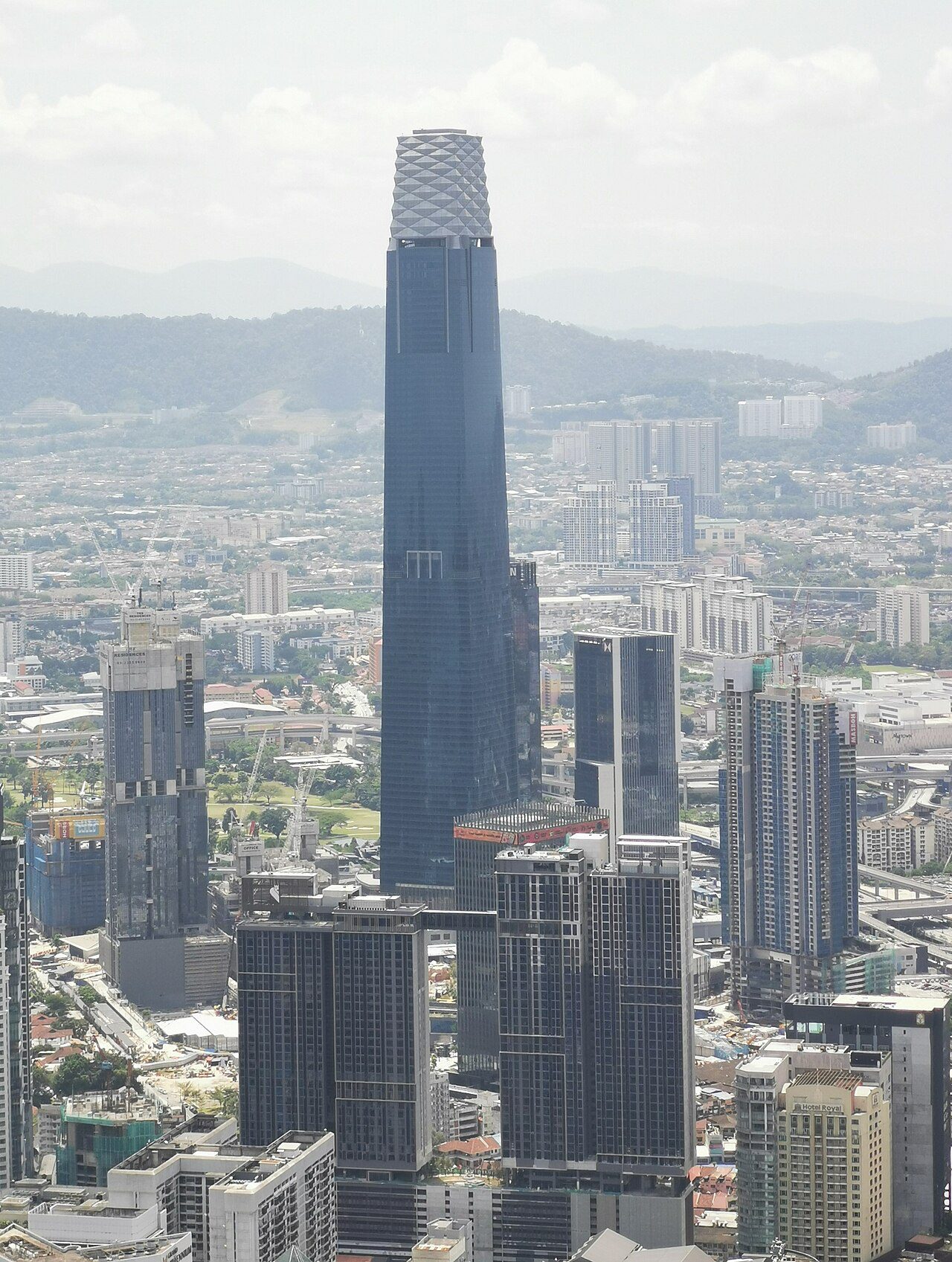

Malaysia has invested heavily in public transport infrastructure over the past decade, and for MM2H holders living in Kuala Lumpur or considering a car-free lifestyle, the rail and bus network now provides a genuinely viable alternative to car ownership for daily use. Beyond KL, intercity rail and coach services connect major cities. This guide covers the full public transport ecosystem available to MM2H holders in Malaysia in 2026 — from KL’s integrated urban rail to the intercity Express Rail Link and the long-distance ETS service — including costs, payment methods, and practical tips for navigating the network as a foreign resident. This guide covers public transport Malaysia offers MM2H holders.
KL’s Integrated Rail Network Overview
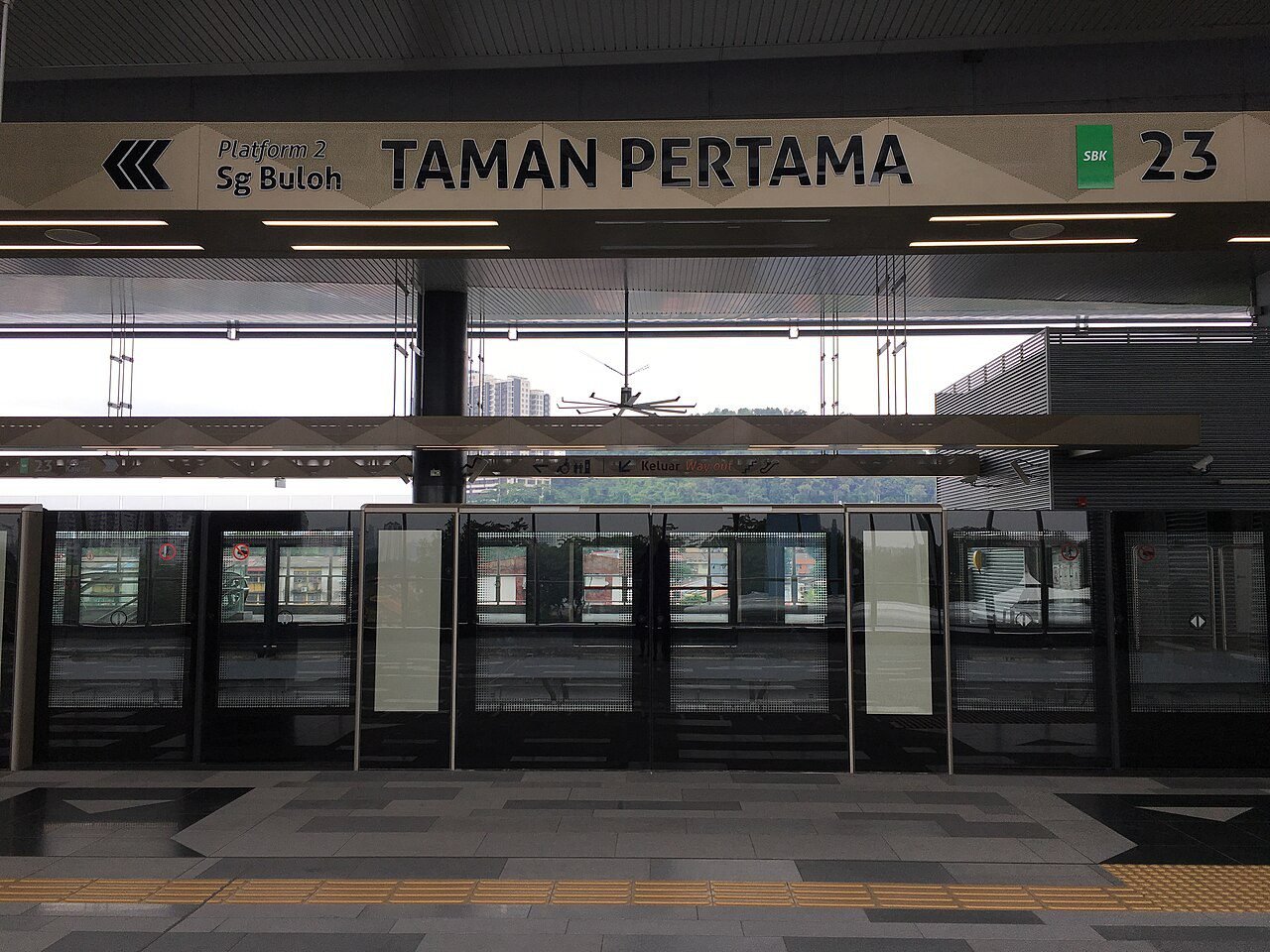
Kuala Lumpur’s rail network is operated by multiple agencies and concessionaires but is increasingly integrated through the Prasarana Malaysia Berhad and KTM Berhad umbrella. As of 2026, the network comprises five main rail lines: MRT Putrajaya Line (formerly MRT Line 2), MRT Kajang Line (MRT Line 1), LRT Kelana Jaya Line, LRT Ampang/Sri Petaling Line, KL Monorail, and the KTM Komuter suburban rail. Together these lines provide access to most of KL’s major residential and commercial areas, with over 200 stations across the city and its suburbs. The network is integrated through a single ticketing system and the Touch ‘n Go e-wallet.
For MM2H holders living in KLCC, Bangsar, Mont Kiara, Damansara, Petaling Jaya, or the Klang Valley suburbs, rail access is excellent to very good. Areas with weaker rail coverage include Duta/Sri Hartamas, Bukit Tunku, and parts of Ampang — these areas are car-dependent.
MRT (Mass Rapid Transit) Lines
The MRT Kajang Line (Line 1) runs from Kwasa Damansara in the northwest to Kajang in the southeast, passing through central KL including Semantan, Muzium Negara, Pasar Seni, Merdeka, Bukit Bintang, Tun Razak Exchange (TRX), and Cochrane. It is the primary transit spine for KL’s central business district and Bukit Bintang entertainment district. Frequency is every 3–7 minutes during peak hours. Fares range from RM1.20 to RM5.20 depending on distance.
The MRT Putrajaya Line (Line 2) is the newest line, running from Kwasa Sentral in the northwest through Damansara Damai, Sungai Buloh, central KL (Titiwangsa, Hospital Kuala Lumpur, Kampung Baru) to Putrajaya Sentral in the southeast. This line provides dramatically improved connectivity for the northern Klang Valley suburbs and the government administrative capital of Putrajaya. MM2H holders in Damansara Perdana, Kepong, and the northern suburbs benefit particularly from this line. Fares range from RM1.20 to RM6.50.
LRT (Light Rail Transit) Lines
The LRT Kelana Jaya Line runs from Gombak in the northeast to Putra Heights in the southwest, serving the KLCC/Kampung Baru area, Dang Wangi, Masjid Jamek, Pasar Seni and the Petaling Jaya corridor including Taman Jaya, Asia Jaya, Kelana Jaya and Subang. This is the primary rail corridor for MM2H holders living in Petaling Jaya’s established neighbourhoods. Frequency is 3–8 minutes during peak hours.
The LRT Ampang and Sri Petaling Lines share a common trunk from Sentul to Masjid Jamek before splitting — one branch goes to Ampang in the east and the other to Sri Petaling in the south. These lines serve the Bangsar, Masjid India, Chow Kit and Ampang districts. Bangsar station connects riders to Bangsar’s restaurant belt and mid-range residential area, popular among MM2H holders for its walkable food scene.
KL Monorail
The KL Monorail is a short 11-station elevated rail connecting KL Sentral (the main intermodal hub) with Titiwangsa via Brickfields, Imbi, Bukit Bintang, Raja Chulan and Chow Kit. It is the primary transit link for Bukit Bintang’s shopping, dining and nightlife district, making it highly relevant for MM2H holders living in KLCC or Chow Kit who want car-free access to Pavilion KL, Starhill Gallery and the Golden Triangle. Frequency is every 3–5 minutes. Maximum fare is RM2.60.
KTM Komuter (Commuter Rail)
KTM Komuter operates two lines covering the outer Klang Valley and connecting KL to Seremban in the south and Rawang/Batu Caves/Port Klang in the north and west. Komuter services are slower and less frequent than MRT/LRT (every 20–30 minutes off-peak), but serve communities outside the denser urban rail network. For MM2H holders in Seremban, Shah Alam, Klang or Batu Caves, KTM Komuter provides the primary rail link to central KL. Fares are generally lower than MRT for equivalent distances, ranging from RM1.00 to RM7.00.
Payment Methods and Touch ‘n Go
All KL rail services accept the Touch ‘n Go (TnG) contactless card and the TnG e-wallet via the official Touch ‘n Go eWallet app. Foreign nationals including MM2H holders can obtain a Touch ‘n Go card at any major rail station (purchase cost: RM10.60 including RM10 credit) or retail outlets including 7-Eleven. The TnG e-wallet can be set up using any Malaysian mobile number, linked to a foreign credit or debit card for top-ups. Using TnG for rail travel is significantly faster than purchasing single-trip tokens and provides access to occasional promotional fares.
Monthly unlimited travel passes are available for Rapid KL services (covering MRT, LRT and Monorail) — the Unlimited Travel Pass (UTP) costs RM150 per month and allows unlimited rides on all Rapid KL routes. For MM2H holders living and working predominantly within the Rapid KL network, this pass provides excellent value compared to purchasing individual tokens. KTM Komuter is not included in the UTP and requires separate ticketing.
Intercity Rail: ETS and KTMB Long-Distance
KTM’s Electric Train Service (ETS) connects Kuala Lumpur (KL Sentral) with Ipoh, Taiping, Butterworth (Penang), Padang Besar (Thai border), Gemas and other Peninsula Malaysia cities. The ETS is a modern, air-conditioned electrified rail service with comfortable seating and reliable schedules. The KL to Ipoh journey takes approximately 2 hours; KL to Butterworth (Penang ferry terminal) takes approximately 3.5 hours; KL to Padang Besar approximately 5 hours. Fares are competitive: KL to Ipoh is approximately RM40–RM70 in business class, and KL to Butterworth approximately RM55–RM85.
For MM2H holders who travel frequently between KL and Penang for lifestyle visits or between KL and the north for business, the ETS is a comfortable and affordable alternative to flying or driving. Advance booking via the KTMB app is recommended as popular weekend trains between KL and Ipoh or Penang sell out weeks in advance during school holidays. The KTMB website and app accept major credit cards including Visa and Mastercard, making booking straightforward for foreign nationals.
Express Rail Link: KLIA Ekspres and Transit
The Express Rail Link (ERL) connects KL Sentral to Kuala Lumpur International Airport (KLIA) and KLIA2 (the low-cost terminal). The KLIA Ekspres (non-stop service) covers the 57-km journey in 28 minutes, departing every 15 minutes during peak hours. The KLIA Transit (stopping service via Salak Tinggi, Putrajaya/Cyberjaya, and Bandar Tasik Selatan) takes 36 minutes. One-way fares are RM55 (adult) for the Ekspres and RM48 for Transit. Return tickets offer a modest discount.
For MM2H holders who travel internationally frequently — as most do, given the programme’s 90-day annual stay requirement for some tiers and regular international travel needs — the KLIA Ekspres is the most reliable way to reach the airport without the uncertainty of KL road traffic. The service runs from 5:00 AM to midnight and covers the busiest international departure windows.
Buses and Ride-Hailing
Beyond rail, Kuala Lumpur’s Rapid Bus network provides feeder services from rail stations to residential areas, as well as direct cross-city routes. However, KL’s bus system is less reliable and predictable than its rail network, with services heavily affected by the city’s notorious traffic congestion. For MM2H holders, buses serve primarily as last-mile connections from rail stations rather than primary transport modes. The MyRapid Bus app provides real-time bus tracking and route planning.
Grab (the Southeast Asian equivalent of Uber) is the dominant ride-hailing platform in Malaysia and is the go-to solution for door-to-door journeys in KL, Penang, JB and other cities. Grab is fully operational for foreign nationals — the app can be set up with any international mobile number and linked to a foreign credit card or local e-wallet. For MM2H holders, Grab provides reliable, convenient urban transport supplementing the rail network. Fares vary with demand but a typical cross-city KL journey (e.g., KLCC to Bangsar) costs RM12–RM25 in normal conditions, rising 2–3x during rain or peak hours surge pricing.
Whether you rely on public transport Malaysia rail or drive, confirm your residency details on the official Malaysia MM2H programme portal.
Frequently Asked Questions
Does MM2H lead to permanent residency or citizenship?
No. It is a long-stay visa, renewable by tier, and does not convert to permanent residency or a Malaysian passport. Citizenship requires a separate pathway.
Can MM2H applicants work in Malaysia on MM2H?
Not in the ordinary sense. The base visa does not grant work rights; employment requires a separate work permit. However, higher tiers carry limited allowances — verify the current rules for your tier with MOTAC or a licensed MM2H agent.
Can the whole family come?
Yes. Spouses and dependent children can be included, and parents can be added in some circumstances, though the specific conditions depend on the tier and the operator.
Is the property purchase really mandatory?
Yes, in all tiers of the 2024 programme. The minimum purchase value depends on your tier. The property must be held for ten years from the visa endorsement date.
How long does approval take?
Typically three to six months from submission of a complete application, though timelines vary with agent workload and document completeness.
Related Articles
If you found this article useful, you may also want to read:
- Getting Around KL Without a Car: MRT, LRT and Walkable KLCC Living
- Buying a Car in Malaysia as an MM2H Holder: Tax and Registration
- MM2H Holders and Malaysian Driving Licences: Conversion Guide
- Importing Your Car and Household Goods to Malaysia on MM2H
- Best Condos in KLCC for MM2H Retirees: Walkability, Amenities, Healthcare
References
- Prasarana Malaysia Berhad — Rapid KL Rail Services: https://www.myrapid.com.my
- KTM Berhad — ETS and Komuter Services: https://www.ktmb.com.my
- Express Rail Link — KLIA Ekspres and Transit: https://www.kliaekspres.com
- Touch ‘n Go — eWallet and Card Services: https://www.touchngo.com.my
- Grab Malaysia — Ride-Hailing Services: https://www.grab.com/my
- Ministry of Transport Malaysia — Public Transport Development: https://www.mot.gov.my
Important Notice
MM2H requirements and immigration policies may change.
Always verify the latest information with relevant Malaysian government authorities or authorised programme operators before making any financial or relocation decisions.