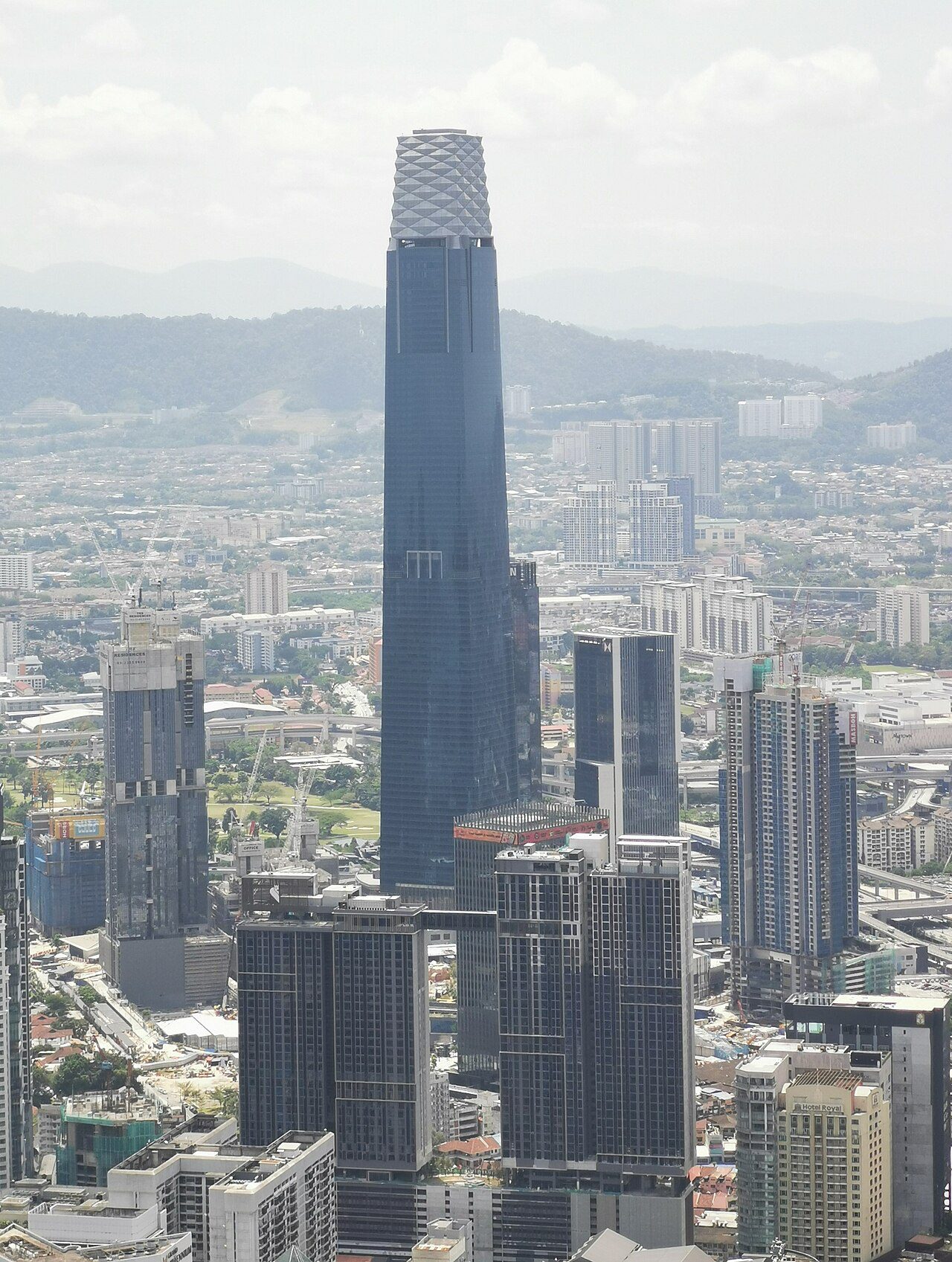

Getting MM2H property location right is the difference between a smooth purchase and a blocked application, because each state sets its own price floors and consent rules. Before committing, map your shortlist against MM2H property location rules so you only view homes you can actually buy. Treating MM2H property location as the first filter, rather than an afterthought, keeps the whole process predictable.
MM2H Property Location: Introduction
MM2H property location rules are complex and vary by state. Here is the rule that catches more MM2H applicants than any other single technicality: the programme’s property minimum is not the only minimum. Malaysia is a federation, land is a state matter, and every state sets its own floor price at which foreigners may MM2H property location — thresholds that exist entirely independently of MM2H and override the tier figure whenever they’re higher. The Silver applicant who budgeted RM600,000 for a Kuala Lumpur condo discovers the state will not consent below RM1 million; the buyer eyeing a bargain in one state finds the category restricted in another.
This guide explains the two-layer system properly: how the state thresholds work and why they exist, the indicative landscape across the states MM2H buyers actually consider, the consent process that enforces it all, the restricted categories no threshold can buy you into, and the strategic conclusion the arithmetic keeps producing — why each tier’s money lands where it does, and why the serious end of the programme keeps funnelling to the capital.
MM2H Property Location: The Two-Layer Rule in One Paragraph
Every MM2H purchase must clear both floors: the programme minimum for your tier (RM500,000 SEZ / RM600,000 Silver / RM1,000,000 Gold / RM2,000,000 Platinum) and the state foreign-ownership threshold where the property sits — whichever is higher governs. The state layer is enforced through the state consent process every foreign acquisition requires: a purchase below the state’s floor is simply not approved, whatever MOTAC’s tier table says. In Kuala Lumpur, the threshold is RM1 million for most categories — which is why Gold (RM1M) maps onto the capital perfectly, why Silver’s RM600,000 is academic there, and why this single number shapes more MM2H property strategy than any other.
MM2H Property Location: Why the State Layer Exists
The thresholds are housing policy, not bureaucracy for its own sake: they reserve the affordable end of each state’s market for Malaysians while welcoming foreign capital at the top. They are also living policy — state governments adjust them periodically (upward more often than not, sometimes with separate figures for landed versus strata, sometimes by zone within the state), which carries two practical consequences for an MM2H buyer: first, verify the current figure for your exact state, category and zone with your lawyer before committing — no article, including this one, substitutes for that check; second, thresholds that ratchet upward over time quietly protect the buyers already above them, one more structural argument for buying quality early rather than minimum late.
MM2H Property Location: The Landscape, State by State (Indicative)
The figures below reflect the commonly applied thresholds as of mid-2026 — treat them as the map, and your conveyancing lawyer’s confirmation as the territory:
| State / Territory | Indicative foreign minimum | Notes for MM2H buyers |
|---|---|---|
| Kuala Lumpur (Federal Territory) | RM1,000,000 | The reference market; most categories at RM1M. Gold-tier alignment is exact |
| Selangor | RM2,000,000 in the main zones (strata; landed effectively restricted) | The KL suburbs are harder for foreigners than KL itself — a perennial surprise |
| Penang | ~RM800,000 strata / higher for landed (island); lower on the mainland | The island’s strata floor admits Silver budgets; verify current zone figures |
| Johor | RM1,000,000 general; RM500,000 within designated zones (the SEZ tier’s home) | Forest City and the special-zone framework anchor the SEZ route |
| Sabah | ~RM1,000,000 (recent upward revisions; was lower) | Verify current — Sabah has moved its floor |
| Sarawak | ~RM500,000–600,000 | Separate consent regime; pairs with S-MM2H, not the Semenanjung tiers |
| Melaka / Negeri Sembilan / Perak / others | Commonly RM500,000–1,000,000 by state and category | Lower floors, thinner foreign-resale markets — read on |
Three readings of that table matter more than any single row. Selangor’s RM2 million surprises everyone: the leafy suburbs around KL price foreign entry at Platinum levels for ordinary stock, which pushes even suburb-minded buyers back into the capital. The low-threshold states (and the mainland/zone carve-outs) genuinely admit smaller budgets — but a threshold is permission to buy, not a reason to: the resale market for foreign-owned property in those markets is a fraction of KL’s depth, and your ten-year hold needs an exit, not just an entry. Johor’s designated zones are their own world — the RM500,000 floor exists specifically where the SEZ tier operates, with the trade-offs our tier guide covers.
MM2H Property Location: How Enforcement Works: The Consent Gate
The thresholds aren’t an honour system — they’re enforced at the state consent stage of every foreign purchase. Your solicitor lodges the consent application after SPA signing; the state authority checks the price against the applicable floor and the property against the restricted categories; consent issues (routinely, for compliant purchases) or doesn’t. Two practical notes: a properly drafted SPA is conditional on consent with clean refund mechanics, so a threshold mistake costs time rather than your deposit — but only if the SPA was drafted by a lawyer who runs foreign files; and consent is also where the restricted categories bite regardless of price: Malay Reserved land, Bumiputera-quota units within developments, most low-cost and affordable-scheme housing, and (in most states, as a practical matter) agricultural land. No budget buys past these — they are simply not part of your market, and a competent agent screens them out before you ever view.
MM2H Property Location: What Each Tier’s Money Can Actually Do
Run the two layers together and each tier’s real map emerges:
- SEZ (RM500,000): the designated zones, by design — primarily the Johor special-zone stock. The threshold and the tier were built for each other; the holding-period liquidity question is the diligence that remains.
- Silver (RM600,000): locked out of KL and the Selangor core; genuinely open in Penang’s strata market, parts of the mainland states, and the lower-threshold east. Workable for buyers whose life is genuinely in those markets — but the many Silver applicants whose plan is the capital face the arithmetic that fills our consultations: a RM1 million KL purchase either way, at which point Gold’s 15-year term for the same property spend usually wins the comparison.
- Gold (RM1,000,000): the tier the KL threshold was accidentally made for — the entire capital opens at exactly the tier floor, with the established KLCC bands sitting comfortably above both layers.
- Platinum (RM2,000,000): clears every threshold in the country, including Selangor’s — the only tier for which the state layer is genuinely invisible. The selection question becomes purely asset quality.
The Strategic Conclusion the Arithmetic Keeps Producing
Stack the layers — programme minimums, state floors, restricted categories, and the resale-depth question that a mandatory decade-long hold forces — and the funnel narrows the same way for nearly every serious applicant: toward Kuala Lumpur, at RM1 million and above, in established stock with documented foreign-resale liquidity. Not because the other markets are forbidden, but because the capital is where every layer aligns: the threshold matches the Gold floor, the consent process is routine above it, the restricted categories are easily screened in a mature strata market, and — decisive for the exit — the pool of future foreign buyers (including every Gold and Platinum applicant after you, mandated into the same market) is the deepest in the country.
Where KLCC Fits In
Within that funnel, the KLCC core is where the two-layer rule stops being a constraint and becomes an advantage: every unit in our coverage clears both floors by construction, titles and categories are pre-screened (no Bumiputera-quota or reserved-land surprises inside an established strata tower), and consent at the KL land registry is the routine, lodge-in-week-one process our purchase timeline plans around. ResidenceKLCC.com runs the state-rules check as the first filter on every shortlist — threshold, category, title, consent pathway — before price and yield are even discussed, so the technicality that catches other buyers never reaches yours. Tell us your tier and target market through the enquiry form; if the right answer for your life is genuinely Penang or Johor, we’ll say so — and if it’s the capital, we’ll show you why the arithmetic agreed.
Frequently Asked Questions
Do the state thresholds apply to MM2H holders specifically? They apply to all foreign buyers — MM2H grants residence, not exemption from foreign-ownership rules. The programme minimum and the state floor are independent tests; you must pass both.
Can I buy below the threshold if the seller agrees? No — the floor is enforced at consent, not negotiated between parties. A below-threshold purchase simply won’t be approved, regardless of the contract.
Do thresholds change after I’ve bought? Subsequent increases don’t affect a completed, consented purchase — another quiet argument for buying sooner and above the floor rather than later at it.
Is landed property realistic for MM2H buyers? Possible in principle subject to state rules (and effectively closed in some, like Selangor’s mainstream zones); in practice, the managed strata market remains the default for visa-linked, long-hold, often-absentee ownership — see our retiree and buying guides for why.
Thresholds and category rules are state policy as of mid-2026 and change by state, zone and property type — your conveyancing lawyer’s confirmation for the specific property governs. MM2H minimums per MOTAC guidance. Last updated: June 2026.
Conclusion
Handled properly, this part of the MM2H journey turns from a source of uncertainty into a planned, orderly step. Take the detail above, verify the current figures with the relevant authority and a licensed MM2H agent, and let the structure work in your favour rather than against your timeline. When the visa and the property decision are planned together, the whole move runs as one coherent plan.
Similar Topics
- MM2H Property Purchase Requirement 2026: Minimum Values by Tier
- MM2H Property Purchase Process for Foreigners: SPA, Consent and Legal Fees
- The 12-Month MM2H Property Deadline: What Happens If You Miss It
- Best KLCC Condos That Qualify for MM2H Gold Tier (RM1 Million and Above)
- MM2H Fixed Deposit Requirements by Tier: USD Amounts Explained
- The eventual exit
References
- Ministry of Tourism, Arts and Culture Malaysia (MOTAC) — Malaysia My Second Home (MM2H) Programme. https://www.mm2h.gov.my
- MM2H Programme – Official Portal
Citations identify the authoritative bodies governing each topic; figures and rules reflect publicly available guidance as of mid-2026 and are subject to change. Verify current specifics with the relevant authority and a licensed MM2H agent before acting.
Important Notice
MM2H requirements and immigration policies may change.
Always verify the latest information with relevant Malaysian government authorities or authorised programme operators before making any financial or relocation decisions.