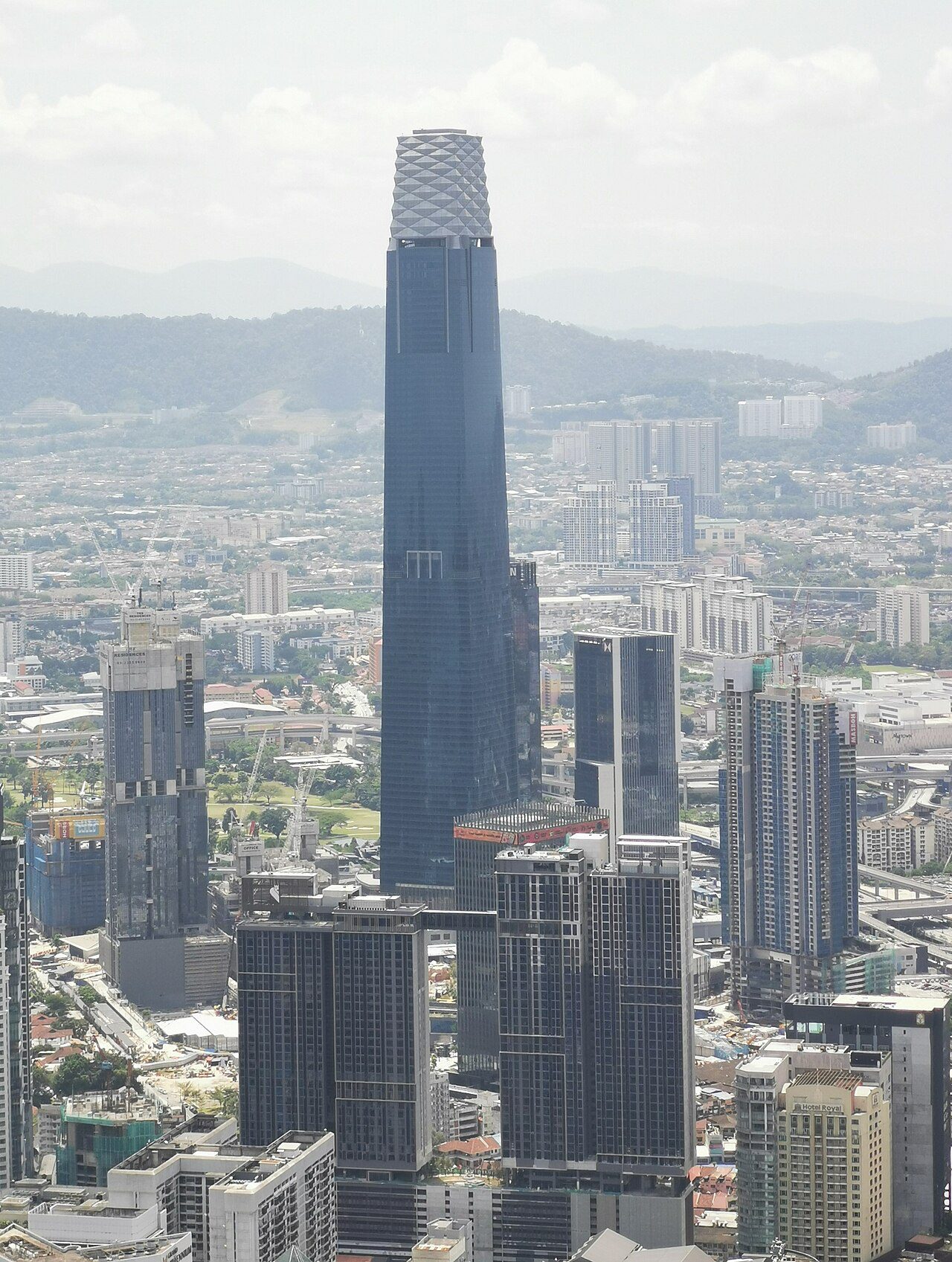

The MM2H vs Indonesia visa choice usually comes down to whether you value KL’s infrastructure or Bali’s lifestyle more. On paper, the MM2H vs Indonesia visa comparison favours Malaysia for longer, more stable residency terms. Still, the right answer to MM2H vs Indonesia visa depends on your budget, family needs and how often you travel.
MM2H vs Indonesia Visa: Introduction
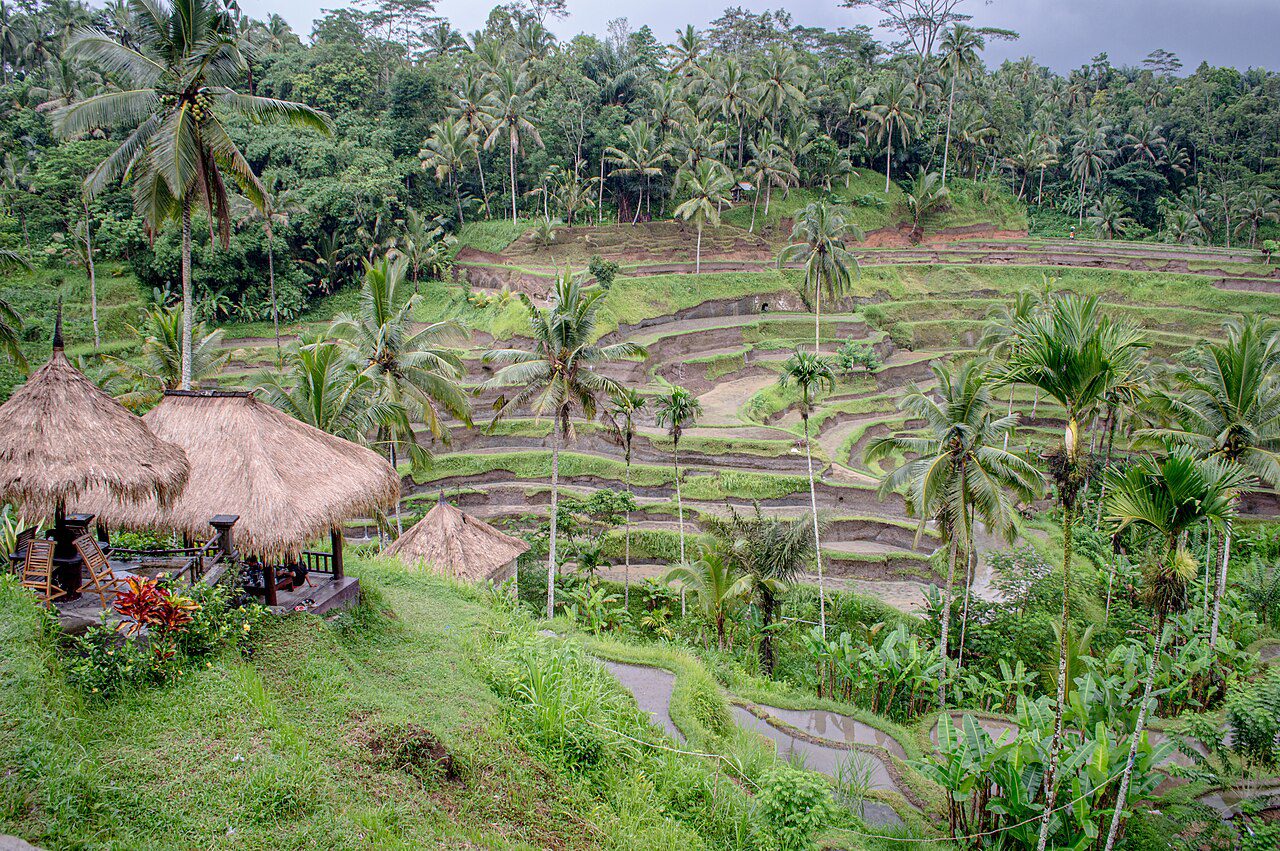
MM2H vs Indonesia visa is the key question for Asian investors choosing between KL and Bali. The Instagram version of this comparison was settled years ago: Bali won. The rice-terrace villa, the beach club, the digital-nomad mythology — Indonesia’s lifestyle brand is the strongest in Southeast Asia, and when Jakarta launched a Second Home Visa (and later a Golden Visa programme) to convert that brand into long-stay residents, the marketing wrote itself. The spreadsheet version of the comparison is a different document — one where property rights, healthcare infrastructure, schooling, and what your deposit actually converts into start doing the talking — and it’s the version a household committing six figures and a decade deserves to read before choosing between an island they love visiting and a capital they might love living in.
This guide runs both versions honestly: what Indonesia’s routes actually offer and require, the head-to-head on the dimensions that decide real relocations, the property-rights gap that is the comparison’s structural centre, the profiles each destination genuinely suits — and the two-base pattern that lets some households refuse the choice altogether.
MM2H vs Indonesia Visa: The Two Programmes in One Paragraph Each
Indonesia’s Second Home Visa (with the parallel Golden Visa investment routes introduced alongside it) offers 5-to-10-year stays for foreigners evidencing substantial funds — historically structured around a deposit in the rupiah-billions range (≈USD 130,000) held in an Indonesian state bank, or qualifying luxury-property ownership, with the Golden Visa tiers running on larger investments (from roughly USD 350,000 in qualifying instruments for individual routes). Terms, instruments and thresholds have been adjusted repeatedly since launch — verify the current configuration before planning — and the visa grants residence without a path to permanent status, with work generally requiring separate permits.
MM2H is the established heavyweight: USD deposits (150,000–1,000,000 by tier, half-recoverable after the property purchase), a mandatory property purchase (RM600,000–2,000,000) that converts commitment into a freehold asset, 5–20 year renewable terms, the region’s widest dependent scope, no minimum stay over 50 — and three decades of programme history, reforms included.
MM2H vs Indonesia Visa: Head-to-Head
| Dimension | Indonesia Second Home / Golden Visa | MM2H (Gold) |
|---|---|---|
| Term | 5–10 years | 15 years (20 Platinum), renewable |
| Core financial requirement | ~USD 130k deposit (state bank) or qualifying investment/property; Golden Visa from ~USD 350k | USD 500k deposit (half back post-purchase) + RM1M+ property |
| What the money becomes | A rupiah deposit / qualifying instruments | A USD deposit + freehold KL home |
| Foreign property ownership | No freehold: Hak Pakai (right-to-use) terms, leaseholds, nominee structures with documented risk | Freehold, own name, in perpetuity above state thresholds |
| Dependents | Spouse and children | Spouse, children to 35, parents and in-laws |
| Healthcare infrastructure | Improving; serious cases routinely evacuate to Singapore/KL | Accredited hospital cluster minutes from the core |
| International schooling | Jakarta solid; Bali thin beyond a few names | Deep market at regional-best pricing |
| Programme maturity | Young; terms adjusted repeatedly since 2022 | Three decades; reformed but precedented |
| Daily cost base | Comparable; Bali’s expat economy prices in USD increasingly | KL=100 baseline |
MM2H vs Indonesia Visa: The Structural Centre: What Happens to Your Property Money
Strip the lifestyle imagery and the comparison’s spine is property rights, because both programmes effectively route serious money into real estate — with opposite outcomes.
In Indonesia, the constitutional position is unambiguous: land ownership is reserved for Indonesian citizens. The foreigner’s menu is Hak Pakai (a right-to-use title, with limited terms and renewals, on qualifying property), leaseholds (the standard Bali villa structure — 25–30 years with negotiated extensions), and the nominee arrangements that a generation of Bali buyers entered and a steady stream of court cases has punished.
The Second Home framework’s property routes operate within these structures, not above them: your “luxury property ownership” qualification is ownership as Indonesian law defines it for foreigners — which is never freehold. The Vietnamese and Thai guides told the same story for those markets; Indonesia’s version is the strictest of the three.
In Malaysia, the same money buys freehold title in your own name, in perpetuity, no quota, through a transparent consent process — and the MM2H mandate means the programme requires you to hold exactly that asset, yielding 4–5% from corporate tenants and reselling into Malaysia’s deepest foreign-buyer pool. The honest one-line summary: Indonesia’s programme lets you fund a stay; Malaysia’s programme makes you own something. Over a decade, that difference compounds into the entire financial outcome.
MM2H vs Indonesia Visa: The Infrastructure Conversation Nobody Posts About
The second decisive layer is the one lifestyle content omits because it’s unphotogenic:
Healthcare. Bali’s medical infrastructure has improved and handles routine care; the pattern for serious cases remains evacuation — to Jakarta, Singapore or, with some irony for this comparison, Kuala Lumpur, whose hospital cluster is the regional medical-tourism destination Indonesians themselves fly to. For the over-50 profile both programmes court, “where is the cardiac unit relative to my front door” is not a detail — and the honest answers are minutes in KLCC and a flight from most of Bali.
Schooling. Jakarta carries a credible international-school market; Bali’s is thin beyond a handful of names with long waitlists — against KL’s deep multi-curriculum market at a third-to-half of Singapore pricing. Families with school-age children are rarely actually choosing Bali once this line is priced.
The daily machinery. Power reliability, internet consistency outside the nomad hubs, traffic that has become Bali’s own running joke, and an administrative environment where programme terms have moved repeatedly since launch — none of it disqualifying for the right profile, all of it material for a household, as opposed to a sabbatical.
MM2H vs Indonesia Visa: Who Each Destination Genuinely Suits
- The lifestyle-first individual or couple, location-flexible income, no school-age children, healthcare-light years: Bali’s case is real and this guide won’t pretend otherwise — the texture of life there is unlike anywhere, and the Second Home structure serves a genuine multi-year stay. Go in with leasehold eyes open and the evacuation insurance paid.
- The family — children, possibly grandparents: KL, with little genuine contest once schooling, hospitals and the dependent scope are priced.
- The investor who wants the residence anchored in an owned asset: KL, structurally — the freehold-versus-Hak-Pakai gap is the whole answer.
- The retiree planning the long arc: KL — the healthcare geography and cost base are the plan; Bali is the holiday from it.
- The Indonesian family reading this in reverse: you already know — which is why Indonesians are one of MM2H’s core markets, buying in KL the certainty their own system can’t sell foreigners.
The Two-Base Pattern: Refusing the Choice
Here’s the resolution an increasing number of households actually run: KL as the base, Bali as the habit. The MM2H structure anchors the family — the freehold home, schools, hospitals, the visa’s long term — while Bali remains what it is genuinely best at being: two hours away, visited often, on ordinary tourist entries that a leisure pattern never strains.
Some go further and hold a Bali leasehold villa as a pure lifestyle asset, priced as the depreciating pleasure it is, while the KL freehold does the wealth work. The two-base pattern prices each destination for what it actually delivers — and it’s notable how many of the households running it began with this exact “Bali or KL” question and discovered the answer was a division of labour, not a winner.
Where KLCC Fits In
If the comparison lands KL-ward — or lands on the two-base pattern with KL as the anchor — the purchase is where Indonesia’s structural gap becomes Malaysia’s concrete advantage: freehold title, verified yield, and a decade-liquid exit, in the district where every layer of the MM2H arithmetic aligns.
ResidenceKLCC.com runs this comparison with clients regularly (often with the Bali villa brochure literally on the table), and we’ll do it with numbers: the leasehold decay curve against the freehold hold, the evacuation-insurance line against the Prince Court drive-time, the two-base budget against the single-base one. Send your situation through the enquiry form — including the honest pull Bali has on you; the plan is better when it’s priced in rather than suppressed.
Frequently Asked Questions
Can I hold both visas? No mutual exclusion exists — but each carries deposits, presence patterns and compliance; for most households the two-base pattern (MM2H + ordinary tourist entries to Indonesia) achieves the same life with half the structure.
Is the Indonesian deposit recoverable like MM2H’s? The Indonesian routes’ funds requirements are placement/investment conditions under their own rules — and the configuration has been adjusted repeatedly since 2022. Verify the current terms and exit mechanics before committing; MM2H’s release-on-exit position is documented and precedented.
What about Indonesia’s Golden Visa for bigger budgets? The investment tiers buy longer terms and some privileges — and route the money into Indonesian instruments rather than owned freehold property. The structural comparison of this article survives the budget increase.
Isn’t Bali much cheaper than KL? Local-economy Bali, yes; expat-economy Bali increasingly prices in dollars, and the KL household budget covers a capital-city life with the hospital next door. Run your actual basket, not the backpacker memory of it.
Indonesian programme terms have been adjusted repeatedly since launch and MM2H per MOTAC guidance — both as of mid-2026; verify current configurations before committing. Property structures in Indonesia carry legal specifics that demand local advice. Last updated: June 2026.
Conclusion
Handled properly, this part of the MM2H journey turns from a source of uncertainty into a planned, orderly step. Take the detail above, verify the current figures with the relevant authority and a licensed MM2H agent, and let the structure work in your favour rather than against your timeline. When the visa and the property decision are planned together, the whole move runs as one coherent plan.
Similar Topics
- MM2H for Indonesian Nationals: Eligibility, Process and Property Options
- Freehold vs Leasehold for MM2H Buyers: What Foreigners Should Know
- Bringing Elderly Parents to Malaysia on MM2H: Healthcare and Visa Rules
- Schooling
- MM2H Application Fees and Total Cost Breakdown for 2026
- MM2H vs Thailand LTR Visa: Which Long-Stay Program Wins in 2026?
References
- Ministry of Tourism, Arts and Culture Malaysia (MOTAC) — Malaysia My Second Home (MM2H) Programme. https://www.mm2h.gov.my
- Ministry of Education Malaysia (Kementerian Pendidikan Malaysia). https://www.moe.gov.my
- MM2H Programme – Official Portal
Citations identify the authoritative bodies governing each topic; figures and rules reflect publicly available guidance as of mid-2026 and are subject to change. Verify current specifics with the relevant authority and a licensed MM2H agent before acting.
Important Notice
MM2H requirements and immigration policies may change.
Always verify the latest information with relevant Malaysian government authorities or authorised programme operators before making any financial or relocation decisions.