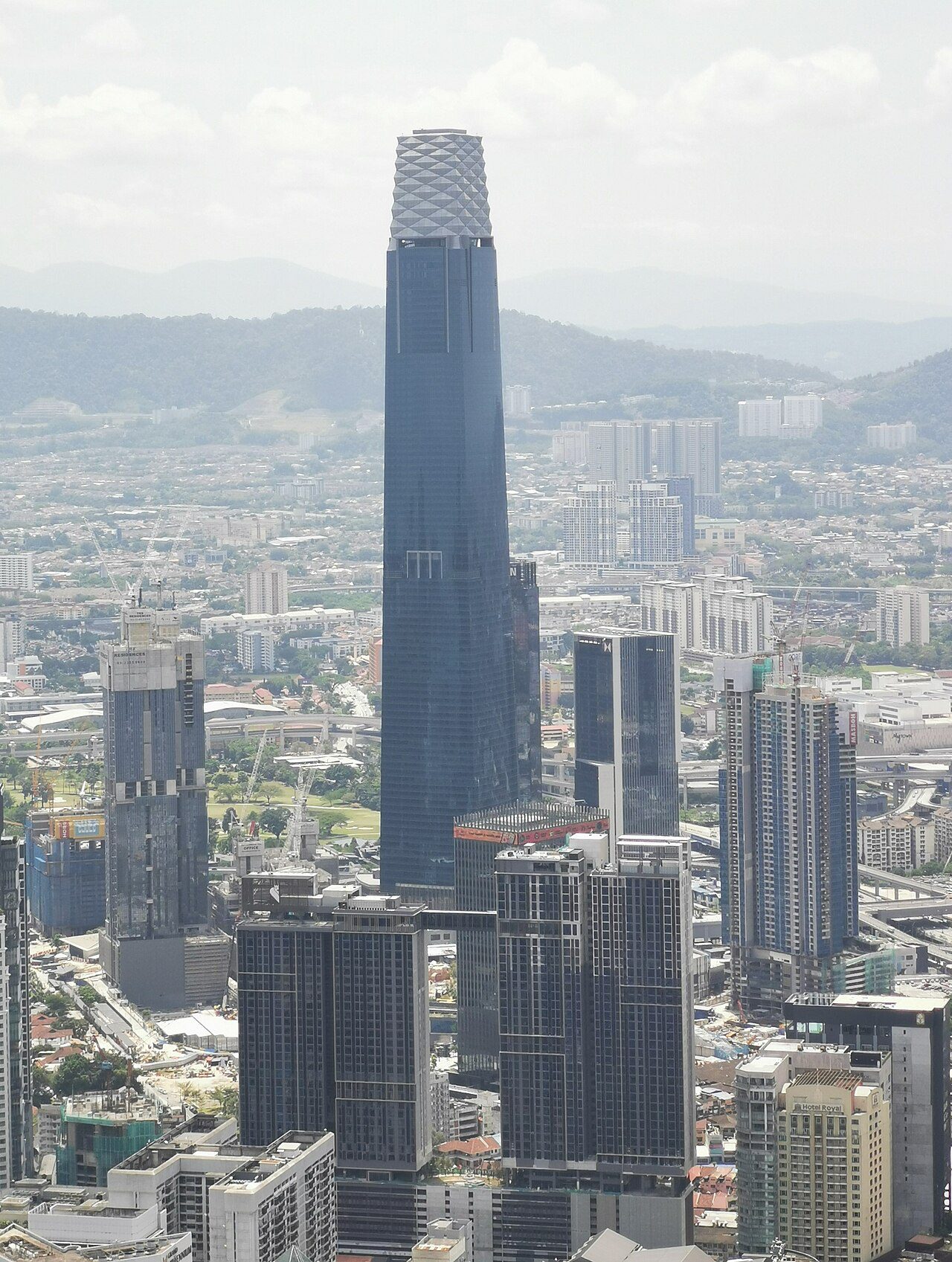

MM2H vs Philippines MM2H vs Philippines SRRV: Introduction
MM2H vs Philippines MM2H vs Philippines SRRV is the key comparison for Asian retirees. On paper, this is the most lopsided comparison in the regional residency catalogue — in the Philippines’ favour. The MM2H vs Philippines SRRV (Special Resident Retiree’s Visa) undercuts MM2H on every headline number: deposits measured in tens of thousands of dollars rather than hundreds, an indefinite visa against MM2H’s renewable terms, and a Philippine Retirement Authority that has been courting foreign retirees since the 1980s. If residency programmes were priced like flights, MM2H vs Philippines SRRV would win on every aggregator.
Residency programmes are not flights. They are decade-long structures whose real comparison runs on what the deposit becomes, what the infrastructure delivers when you’re 74 rather than 54, what your property money converts into, and how the family actually plugs in. Run those lines and the showdown becomes a genuine choice between two different products — a low-commitment foothold and a capital-anchored base — rather than a price war. This guide runs it honestly, including the profiles for which the MM2H vs Philippines SRRV’s case is real.
MM2H vs Philippines SRRV: The Two Programmes in One Paragraph Each
SRRV is the Philippine Retirement Authority’s flagship: for applicants generally 50 and above (younger windows have opened and closed over the programme’s history), a time deposit from roughly USD 10,000–50,000 depending on category and pension status — the Classic route allowing the deposit’s conversion into a qualifying condominium purchase or long-term lease at higher thresholds — yielding a multiple-entry visa of indefinite validity while the deposit (or converted investment) is maintained, plus an annual PRA fee. Dependents cover the spouse and children under 21 (additional deposits per extra dependent). Work is permitted with the appropriate permit. Categories, amounts and age windows have shifted repeatedly — verify the current matrix with the PRA before planning.
MM2H is the capital-anchored alternative: USD deposits of 150,000–1,000,000 by tier (half-recoverable after the property purchase), a mandatory freehold property purchase (RM600,000–2,000,000), renewable terms of 5–20 years, dependents spanning spouse, children to 35, and both sets of parents, no minimum stay over 50 — and the KL infrastructure underneath it all.
MM2H vs Philippines SRRV: Head-to-Head
| Dimension | SRRV (Classic, typical) | MM2H (Gold) |
|---|---|---|
| Headline deposit | ~USD 10,000–50,000 | USD 500,000 (≈250k after withdrawal) |
| What the deposit becomes | PRA time deposit; convertible to condo purchase ≥ USD 50,000 | USD FD + freehold KL home, RM1M+ |
| Visa term | Indefinite while maintained | 15 years, renewable |
| Age | Generally 50+ (categories vary) | 25+ (no-stay rule from 50) |
| Dependents | Spouse + children <21 (extra deposits) | Spouse + children <35 + parents & in-laws |
| Property ownership | Condo only (40% foreign quota per building); no land | Freehold above state thresholds, no quota |
| Work rights | Permitted with permit | Platinum only, with approval |
| Healthcare infrastructure | Manila pockets strong; provincial thin | Accredited cluster minutes from KLCC |
| Annual obligations | PRA fee, deposit maintenance | Compliance file; renewal cycles |
MM2H vs Philippines SRRV: What the Headline Numbers Hide
The deposit comparison is real but smaller than it looks. SRRV’s USD 20,000–50,000 against Gold’s USD 500,000 is the marketing gap. The structural gap: the SRRV deposit sits as a PRA-supervised time deposit (modest rates, locked while the visa lives) or converts into a quota-constrained condominium; the MM2H commitment converts into a USD deposit (half returning within months) plus a freehold KLCC asset yielding 4–5% from corporate tenants and reselling into Malaysia’s deepest foreign pool. One programme parks money; the other deploys it. For a retiree whose capital must work through retirement, the true cost comparison is income forgone, not deposit posted — and on that line the gap narrows dramatically, sometimes inverts.
“Indefinite” is the SRRV’s best word — read it precisely. Indefinite validity while conditions are maintained is genuinely attractive against renewal cycles, and this guide won’t diminish it. The precision: both programmes are creatures of policy — the SRRV’s categories and amounts have been suspended, revised and reopened repeatedly across its history, while MM2H’s reforms have run through transition arrangements for existing holders. Neither “indefinite” nor “15 years” is immune to the sovereign pen; both have respected incumbents in practice. The honest weighting: SRRV wins the convenience of no renewal events; MM2H answers with terms long enough that the difference rarely bites inside a planning horizon — and with the asset that survives any policy, the freehold title.
Work rights are an SRRV point. A retiree who intends to consult or work locally finds SRRV’s permit route more accommodating than MM2H’s Platinum-only gate — a genuine advantage for the encore-career profile.
The dependent scope runs the other way, hard. SRRV’s spouse-plus-minor-children (with per-head deposits) against MM2H’s three-generation architecture — children to 35, parents and in-laws — is not a detail for the Asian retiree household; it’s frequently the whole point.
MM2H vs Philippines SRRV: The Infrastructure Conversation at 74
Both programmes court the over-50 — so compare the destinations at over-70, when the comparison matters most. Metro Manila holds genuinely strong hospitals in specific pockets, reached through the region’s most punishing traffic; provincial and island retirement spots — the lifestyle the SRRV brochures photograph — sit far from tertiary care. KL’s offer to the same retiree: an internationally accredited cluster — Prince Court, Gleneagles, the Ampang names — minutes from a KLCC address, at pricing that makes the Philippines’ medical-cost advantage over Western markets look thin, plus the home-care labour market (live-in help at RM2,000–2,800) that defers the institutional question. Power and internet reliability, transit, and the daily machinery of an ageing household run the same direction. The Philippines’ counterweights are real — English everywhere, the warmth of the culture toward elders, and for returning Filipinos the pull of home itself — but on infrastructure-per-retirement-dollar, KL wins by lengths.
MM2H vs Philippines SRRV: Verdicts by Profile
- The budget-first retiree (pension-funded, capital-light): SRRV, legitimately — its entry numbers admit retirements MM2H’s structure simply prices out, and that accessibility is the programme’s honest purpose. Site the retirement near Manila’s hospital pockets, not the beach brochure.
- The capital-holding retiree (assets to deploy, decade horizon): MM2H — the self-funding structure (yielding freehold + recoverable deposit) and the infrastructure are the product; SRRV’s cheaper ticket buys a thinner seat.
- The encore-career retiree (intends to work): SRRV’s permit route earns it the look; weigh it against Platinum if the capital exists.
- The three-generation household: MM2H, with no real contest — SRRV’s dependent rules can’t house the brief.
- The ex-Filipino retiree: the SRRV’s courtesy categories and the pull of home make it the default — and our Filipino guide covers the surprising number who run both directions: SRRV-eligible, MM2H-curious, choosing KL for the infrastructure years and Manila for the heart.
The Both-Ways Footnote
This comparison has a mirror most others lack: Filipinos themselves are an MM2H market, and inbound SRRV marketing competes for the same regional retirees MM2H courts. The honest summary either direction: SRRV sells access; MM2H sells anchorage. A retiree optimising for lowest commitment and local work rights reads the table one way; a household optimising for owned assets, three generations and tertiary care reads it the other — and both readings are correct for their readers, which is what an honest showdown is supposed to conclude.
Where KLCC Fits In
If the verdict lands MM2H-ward, the comparison’s logic concentrates on the purchase: the freehold, quota-free, transaction-evidenced asset is precisely what the SRRV structure cannot offer at any deposit level — so buying it well is the whole margin. ResidenceKLCC.com underwrites the retiree purchase on the seven criteria — hospital geography first — with the deadline and withdrawal choreographed so the capital structure of this article lands on schedule. Send your profile through the enquiry form — and if you’re genuinely weighing Manila against KL, say so; we’ll run the two-city numbers with you rather than pretend the other side has no case.
Frequently Asked Questions
Can I convert my SRRV deposit into property the way MM2H’s withdrawal works? The Classic route allows conversion into a qualifying condo purchase (within the foreign quota, no land) at the applicable threshold — a different mechanism from MM2H’s withdrawal-after-mandatory-purchase; compare the end states: quota condo vs freehold home plus returned cash.
Which is faster to obtain? SRRV processing is typically measured in weeks once documents are complete; MM2H in months. For a retiree in a hurry, that’s a genuine SRRV point — though the property timeline dominates either plan.
Is the Philippines cheaper to live in than KL? On local-economy baskets, often yes; on the retiree’s actual basket — private healthcare, reliable utilities, imported comforts, help — the gap narrows and infrastructure quality diverges. Run your basket at 74, not 54.
Can I hold both visas? No mutual exclusion — each carries its own deposits and maintenance. A handful of regional retirees genuinely run both; most find one base plus tourist entries to the other achieves the same life with half the admin.
SRRV categories and amounts per PRA practice and MM2H per MOTAC guidance, both as of mid-2026 and both historically subject to revision — verify current terms with the PRA and a licensed MM2H agent before committing. Last updated: June 2026.
Conclusion
Handled properly, this part of the MM2H journey turns from a source of uncertainty into a planned, orderly step. Take the detail above, verify the current figures with the relevant authority and a licensed MM2H agent, and let the structure work in your favour rather than against your timeline. When the visa and the property decision are planned together, the whole move runs as one coherent plan.
Similar Topics
- MM2H for Filipino Professionals and Retirees: A Complete Guide
- Retiring in Malaysia on MM2H: A Complete Planning Guide for Over-50s
- MM2H Silver Tier Explained: Deposit, Property Rules & Visa Duration
- Bringing Elderly Parents to Malaysia on MM2H: Healthcare and Visa Rules
- MM2H Dependents Explained: Spouse, Children Under 35, Parents and In-Laws
References
- Ministry of Tourism, Arts and Culture Malaysia (MOTAC) — Malaysia My Second Home (MM2H) Programme. https://www.mm2h.gov.my
- MM2H Programme – Official Portal
Citations identify the authoritative bodies governing each topic; figures and rules reflect publicly available guidance as of mid-2026 and are subject to change. Verify current specifics with the relevant authority and a licensed MM2H agent before acting.
Important Notice
MM2H requirements and immigration policies may change.
Always verify the latest information with relevant Malaysian government authorities or authorised programme operators before making any financial or relocation decisions.