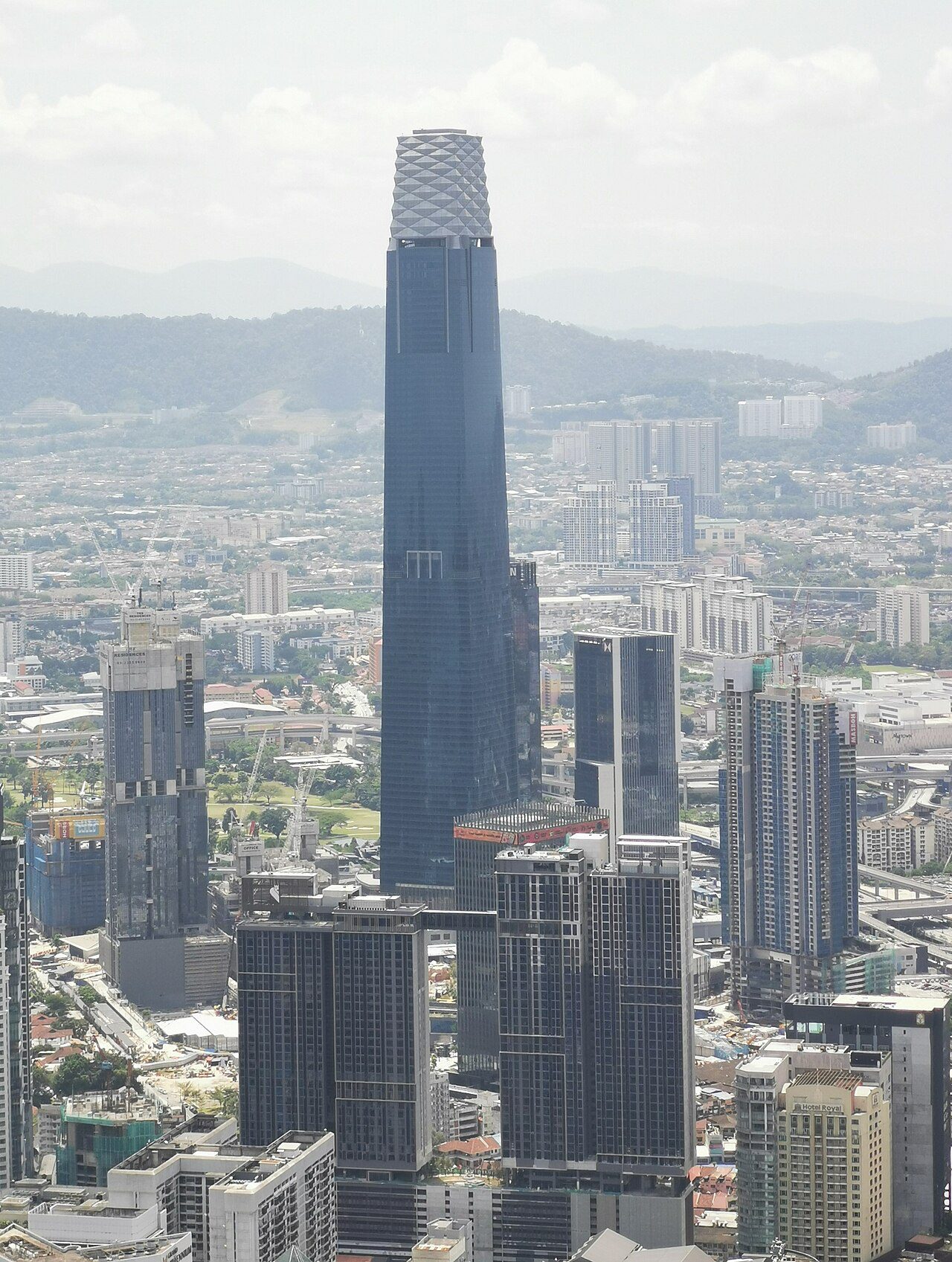

MM2H Pets Malaysia: Introduction
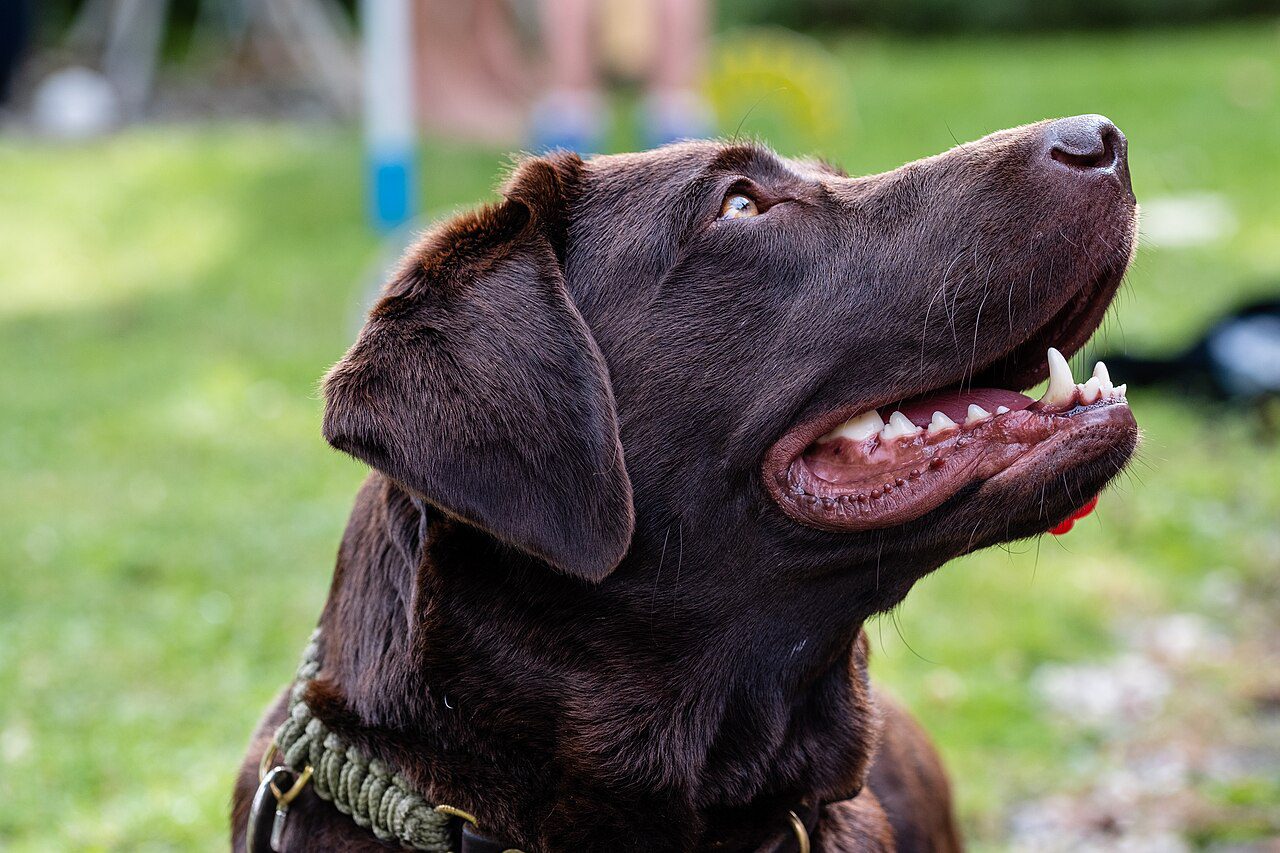
MM2H pets Malaysia guide: for households this question matters absolutely. For the households this question matters to, it matters absolutely: the dog or cat is family, the relocation includes them or doesn’t happen, and the discovery that pet import is a months-long regulatory project tends to arrive inconveniently late in a timeline already crowded with visas and property deadlines. So the headline first, for reassurance: yes — household MM2H pets Malaysia are imported into Malaysia routinely, through a documented permit-and-quarantine system administered by the veterinary authorities (DVS/MAQIS), and thousands of relocating animals clear it annually. Then the planning truth: the system runs on origin-country risk categories, vaccination timelines that cannot be compressed, and a quarantine layer whose length your departure country largely determines — which makes this one of the relocation’s earliest projects, not its last. This guide is the manual: the system explained, the step-by-step sequence with its real timeline, the quarantine picture by origin, the breed and species restrictions stated plainly, the costs, the condominium question that catches people after a successful import, and the settling-in layer.
MM2H Pets Malaysia: How the System Works
Malaysia’s pet-import framework runs on three pillars: the import permit — obtained in advance from the Malaysian veterinary authorities (the DVS machinery, processed in practice through MAQIS at the border), valid for a window around your planned arrival; the health-certification chain — microchip, rabies vaccination with the right timing, the origin country’s official veterinary health certificate issued close to departure, and the treatments (parasite, etc.) per current requirements; and the quarantine layer — whose length turns on your origin country’s rabies-risk categorisation: animals from recognised rabies-free origins have historically faced minimal-to-short quarantine, while higher-risk origins face longer detention at the approved quarantine facilities (the KLIA-area station being the standard entry point). The system’s character: bureaucratic but navigable, paperwork-exacting, and — the part to internalise — sequenced, with each step’s validity window gating the next.
MM2H Pets Malaysia: The Sequence and Its Real Timeline
Work backward from the flight; the chain typically wants 3–6 months:
1. Month minus-6 to minus-4 — the foundations: microchip (ISO standard — verify yours scans), rabies vaccination after the chip (the order matters in most certification regimes), and any required serology where your route demands it. These steps carry waiting periods that no urgency compresses — they are the timeline’s bedrock.
2. Month minus-3 — the professional engagement: appoint a pet relocation agent (the strong default for anything beyond the simplest route — they run the permits, bookings and border choreography daily) or map the DIY route with the authorities’ current checklists; apply for the Malaysian import permit in its validity window; book the quarantine space (capacity at the approved facility is finite — peak seasons fill) and the airline’s animal carriage (each carrier’s rules, crate standards and seasonal embargoes differ — the agent earns their fee here alone).
3. The final fortnight — the certification sprint: the origin country’s official health certificate (issued days before travel, per its validity window), final treatments documented, the IATA-compliant crate acclimatised at home (start crate training months earlier — the welfare difference is enormous).
4. Arrival — the border and quarantine: MAQIS processing at entry, transfer to quarantine where applicable, your visits per the facility’s rules, and release with the paperwork that joins the household’s permanent file.
MM2H Pets Malaysia: The Quarantine Picture, by Origin
The variable everyone asks about, framed honestly: your departure country’s risk category sets your quarantine, and the categories are the authorities’ to define and revise — so treat the following as orientation and your agent’s current confirmation as gospel. The pattern relocating households have experienced: rabies-free-recognised origins (the Singapore/Australia/NZ/UK-type category) — the gentlest treatment, historically minimal or short-form quarantine; the standard categories (much of the rest of the world, the US and most of Asia included) — a real quarantine stay at the approved facility, historically in the days-to-weeks band; higher-risk origins — longer detention. The planning consequences: Singaporean households relocating with MM2H pets Malaysia have the region’s easiest run (one more line in that guide’s “everything is near” column); multi-leg relocations should mind that the last origin can define the category; and the quarantine facility’s conditions — adequate, institutional, not a kennel resort — are why the crate-training and the agent’s facility-liaison matter for the animal’s actual experience.
MM2H Pets Malaysia: Restrictions: Breeds, Species and the Hard Edges
Plainly, because discovering these late is heartbreak: Malaysia maintains a banned-breeds list for dogs — historically including the Pit Bull/American Staffordshire family, Japanese Tosa, Dogo Argentino, Fila Brasileiro and similar — which are not importable; and a restricted list (Rottweilers, certain mastiff and shepherd types, among others, by historical practice) importable under conditions. Check your dog’s breed against the current DVS lists before any other step — it is the first email, not the last. Cats face no breed regime. Exotics, birds and others run on entirely separate (CITES-and-agriculture) machinery — specialist territory. And one cultural-practical note for dog-owning households: Malaysia is a Muslim-majority country where dogs occupy a specific cultural position — dog-friendly housing, parks and services exist and are growing, but they are a mapped landscape rather than a default one, which leads directly to:
The Condo Question (Check Before You Buy)
The trap that catches households after a flawless import: Malaysian strata buildings set their own pet rules, and the spectrum is full — genuinely pet-friendly towers, cat-only tolerances, weight-limited policies, and absolute prohibitions enforced by management. The by-laws govern, house rules evolve by committee vote, and an undisclosed dog in a no-pet tower is a standing dispute waiting for a complaint. For the MM2H household whose qualifying purchase is also the pet’s home, this is a buying criterion of the first rank: verify the written current policy (not the agent’s impression) of every shortlisted building, ask about the enforcement texture (a pet-friendly rule in a pet-hostile community is its own problem), and weight the genuinely pet-welcoming buildings — they exist, they know who they are, and their residents chose them for the same reason you will.
The Costs, Realistically
The all-in for a typical single-pet relocation: the origin-side veterinary chain (RM-equivalent 1,000–3,000), the flight carriage (hugely route-and-size dependent — RM2,000–8,000+ as manifest cargo), the relocation agent (RM3,000–8,000 for full service), the Malaysian permit and quarantine fees (the modest official layer), and the crate and sundries — landing most single-dog relocations in the RM8,000–20,000 band and cats below it. Against the alternative (the family member left behind), every household that’s done it files it under money well spent; the point of the number is budgeting, not deterrence.
Where KLCC Fits In
The pet’s KL life is address-determined twice over: the building (the by-law landscape above — we maintain current pet-policy notes on the district’s stock as standard shortlist data) and the neighbourhood — where the core does better than its tower-district reputation suggests: the park’s perimeter walks at the cool hours, the growing vet-clinic and grooming layer in the district’s orbit, pet-supply delivery solving logistics, and the established towers’ larger-floor-plate stock giving indoor cats and small dogs genuine room. ResidenceKLCC.com runs pet-owning briefs explicitly: the shortlist filtered to written-policy pet-friendly buildings first, the daily-walk geography assessed like the school run it functionally is, and the quarantine-period housing question (you’ll likely arrive before the release date) folded into the move-in calendar. Travelling with family of the four-legged kind? Say so in the enquiry form’s first line — it changes the shortlist more than almost anything else.
Frequently Asked Questions
Can my pet fly in the cabin with me? Into Malaysia, plan on manifest cargo — the standard, animal-safe route most carriers require for this destination; in-cabin arrival is generally not the available structure. Your agent confirms the current carrier options for your route.
How early should I really start? Six months before the flight is comfortable; three is tight but workable for simple routes; less than that risks the vaccination-window arithmetic. Start the breed-list check and the microchip today if relocation is even probable.
Can I visit my pet in quarantine? The approved facilities run visiting arrangements per their current rules — your agent confirms specifics, and the visits genuinely help the animal. Budget the KLIA-area trips into the arrival fortnight.
What about bringing MM2H pets Malaysia out of Malaysia later? The mirror process under your destination’s rules — frequently stricter than Malaysia’s inbound regime (Australia’s, notoriously). The two-city households who move MM2H pets Malaysia regularly keep the certification chain warm; ask your vet about the maintenance schedule that preserves exportability.
Permit requirements, quarantine categories, breed lists and fees per DVS/MAQIS practice as of mid-2026 — categories and conditions are revised; the authorities’ current checklists and your relocation agent’s written confirmation govern. Last updated: June 2026.
Conclusion
Handled properly, this part of the MM2H journey turns from a source of uncertainty into a planned, orderly step. Take the detail above, verify the current figures with the relevant authority and a licensed MM2H agent, and let the structure work in your favour rather than against your timeline. When the visa and the property decision are planned together, the whole move runs as one coherent plan.
Similar Topics
- MM2H Application Timeline: How Long Does Approval Really Take?
- MM2H Dependents Explained: Spouse, Children Under 35, Parents and In-Laws
- MM2H for Singaporeans: Requirements, Process and Why It Makes Sense
- KLCC vs Penang for MM2H: City Living or Island Life?
- The services layer
- Does MM2H Lead to Permanent Residency or Citizenship? The Honest Answer
References
- Ministry of Tourism, Arts and Culture Malaysia (MOTAC) — Malaysia My Second Home (MM2H) Programme. https://www.mm2h.gov.my
- Department of Veterinary Services Malaysia (DVS) & MAQIS. https://www.dvs.gov.my
- Malaysian Quarantine and Inspection Services (MAQIS). https://www.maqis.gov.my
- Citations identify the authoritative bodies governing each topic; figures and rules reflect publicly available guidance as of mid-2026 and are subject to change. Verify current specifics with the relevant authority and a licensed MM2H agent before acting.
Important Notice
MM2H requirements and immigration policies may change.
Always verify the latest information with relevant Malaysian government authorities or authorised programme operators before making any financial or relocation decisions.