
Timing your MM2H property selling around the RPGT holding-period table is the single biggest lever on your net proceeds. Done well, MM2H property selling can be tax-efficient and leave your visa status untouched. Plan the MM2H property selling paperwork early so the sale completes without last-minute surprises.
MM2H Property Selling: Introduction
MM2H MM2H property selling has specific rules every holder needs to understand before listing. Every MM2H purchase contains its own ending, and the wise buyer reads the last chapter first. The property you must buy to hold the visa is also a property you will, someday, want to sell — at the natural end of your Malaysian chapter, to trade up after the holding period clears, or in the harder scenarios families prefer not to plan for and absolutely should. And the selling rules are where three systems intersect at once: the program’s holding obligations (sell wrong and the visa is at stake), Malaysia’s Real Property Gains Tax (whose foreigner rates punish early disposals severely), and the ordinary mechanics of a foreign-owned sale.
This guide maps the intersection: what the holding period actually requires, the RPGT table that should hang over every timing decision, the three legitimate selling scenarios and how each runs, the replacement-property route for holders trading up, and the documentation that keeps a sale clean on all three fronts.
MM2H Property Selling: The Short Answer
The qualifying property is a long-hold obligation: program rules impose a minimum holding period — commonly cited as ten years — during which selling the property without an approved replacement or program exit puts your pass at risk. Independently, Malaysia’s RPGT taxes a non-citizen’s gains at 30% on disposals within five years of acquisition and 10% from year six onward — there is no zero-rate year for foreigners. The clean selling scenarios are therefore: (1) exit — sell when leaving the program, with the deposit released alongside; (2) trade-up — sell after the holding period (or with approved replacement) and re-anchor the visa on a better unit; (3) hardship/estate events — handled through your agent with documentation. In every scenario, sequence the program side before the transaction side, and keep the evidence file intact.
MM2H Property Selling: The Holding Period: What It Is and Isn’t
The program’s logic is straightforward: the mandatory purchase exists to anchor genuine residence, so a quick flip would defeat it. Hence the long minimum hold — with three clarifications worth fixing in mind:
- The clock runs from your purchase, not from endorsement and not from each renewal — renewing your pass does not restart it.
- It binds the qualifying status, not your whole portfolio. A second, non-qualifying investment property you later buy trades freely under ordinary rules; it is the unit evidencing your visa that carries the obligation.
- “Commonly cited as ten years” is the honest phrasing — program conditions have been refined repeatedly, and the binding version is whatever your approval documents and current MOTAC guidance say. Pull your own terms with your agent before any sale conversation; this paragraph is the map, not the territory.
The planning consequence has run through every buying guide we publish: a ten-year obligation makes address durability the first selection criterion — which is the entire established-KLCC thesis in one line.
MM2H Property Selling: RPGT: The Table That Times Your Sale
Real Property Gains Tax applies to the chargeable gain (disposal price less acquisition price and allowable costs) and, for non-citizen individuals, runs on the harsh schedule:
| Disposal in… | RPGT rate (non-citizens) |
|---|---|
| Years 1–5 from acquisition | 30% |
| Year 6 onward | 10% |
Three practical notes do most of the work here. The cliff at year six is enormous — on a RM400,000 gain, the difference between year five and year six is RM80,000 of tax; almost no commercial reason to sell justifies jumping early, and conveniently the program’s holding period pushes you past the cliff anyway. Allowable costs matter: acquisition stamp duty (your 4% foreign rate), legal fees both ways, agent’s commission, and documented enhancement costs all reduce the chargeable gain — which is one more reason the transaction file you built at purchase earns its keep a decade later. The mechanics are withholding-based: the buyer’s solicitor retains a portion of the price (a higher retention applies to non-citizen sellers) and remits it against your RPGT account, with the final computation settled on filing — so the cash you receive at completion is net of a retention you should anticipate, not be surprised by.
MM2H Property Selling: Scenario One: The Exit Sale
The natural ending: the Malaysian chapter closes, the pass is surrendered or lapses by choice, and the property sells. Run the order of operations deliberately:
- Program first. Notify through your agent; the deposit’s release and the pass termination run on their own paperwork, and you want the property sale’s timing coordinated with — not racing — that process.
- Then the transaction, on standard foreign-seller mechanics: appoint a solicitor, market on transaction evidence (sell the way you bought — off real comparables, not hope), expect the RPGT retention at completion, and remember the buyer’s side may need its own state consent if they are also foreign.
- Then the money. Sale proceeds are repatriable through normal banking channels with the documentation trail intact — completion statement, RPGT clearance, source evidence for the receiving bank.
Sequenced this way, exit is administrative. Sequenced backwards — property sold while the pass still depends on it — you have manufactured the one problem this article exists to prevent.
MM2H Property Selling: Scenario Two: The Trade-Up
The scenario we increasingly handle as the post-relaunch cohort matures: the holding period clears, the household’s needs have changed (children gone, parents arrived, or simply better stock available), and the holder sells the original qualifying unit to buy a stronger one. The keys:
- Continuity of qualification. The pass must rest on a qualifying property throughout — so the replacement purchase and the original sale are choreographed (bridging both, or completing the purchase first) rather than sequential with a gap. Your agent confirms the current evidentiary mechanics; your lawyer runs the two files in parallel.
- The new purchase is a fresh foreign acquisition — state consent, 4% stamp duty, the full transaction-cost stack again. Price the round trip honestly before romanticising the upgrade.
- Tier strategy rides along. A trade-up is the natural moment to buy above the next tier’s floor — the upgrade-proofing logic — so the new unit serves both the visa you hold and the one you might want.
- RPGT at 10%, post-cliff, on the original unit’s gain — budgeted, not discovered.
Scenario Three: The Hard Cases
Death of the principal, serious financial hardship, family rupture: the program’s practice accommodates genuine cases through documentation and discretion, via your agent — but every hard case goes better with pre-positioning. The ownership structure chosen at purchase, the will drafted alongside the SPA, the survivor’s pathway understood by the household: our estate planning guide exists because the worst time to learn these mechanics is the only time most families do. If you are reading this section pre-purchase, you are doing it right.
The Seller’s Evidence File
Whatever the scenario, the sale runs on the file you have (or haven’t) kept: the original stamped SPA and completion statement (your acquisition cost basis); the consent letter; receipts for stamp duty, legals and enhancements (every ringgit reduces the chargeable gain); the tenancy history if let (buyers of tenanted units pay for documented income); and your program correspondence evidencing qualifying status. Holders who built the compliance file from day one sell in weeks; holders reconstructing 2026’s paperwork in 2036 fund their lawyer’s archaeology instead.
Where KLCC Fits In
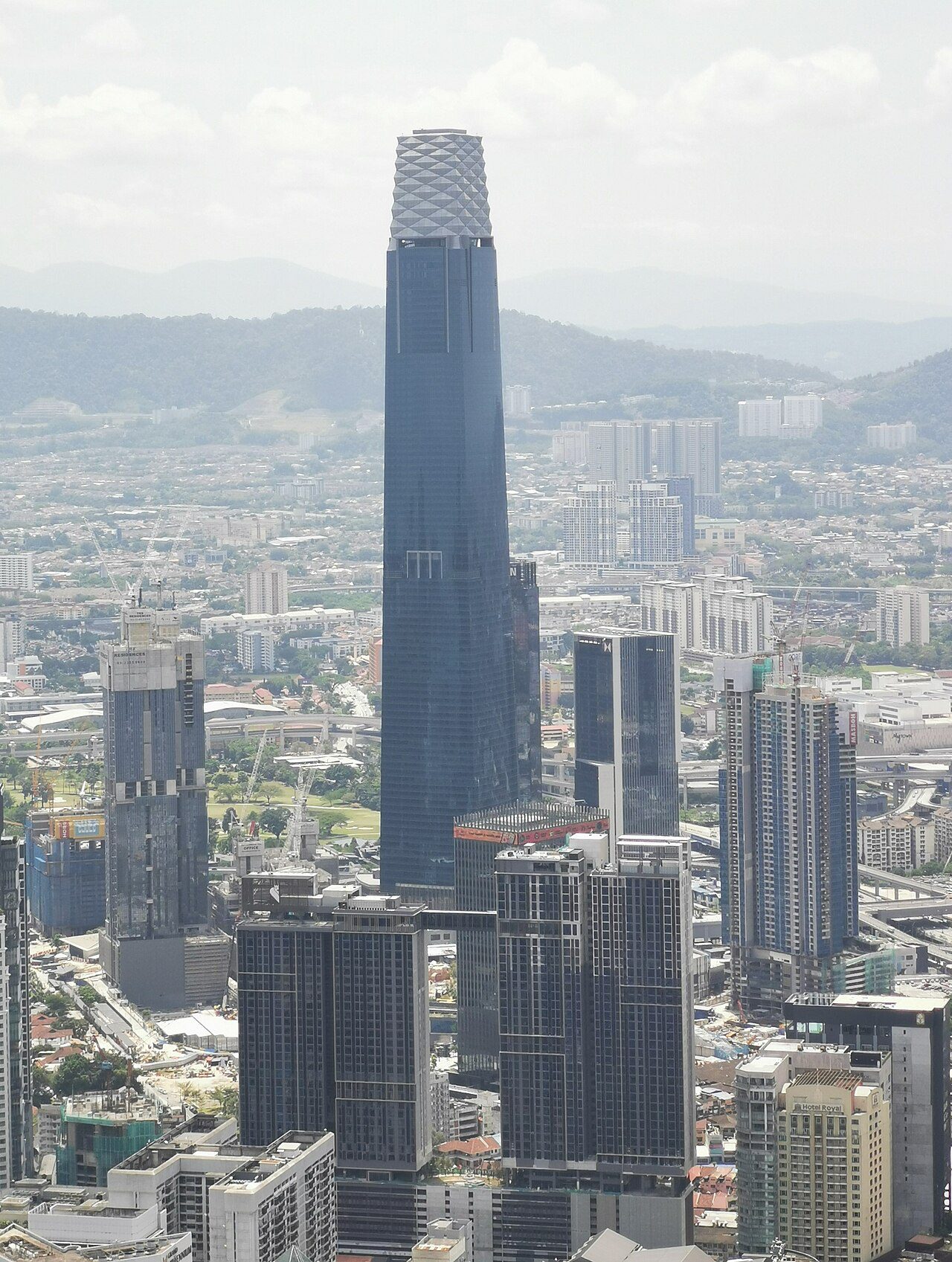
The selling chapter is where the original buying decision presents its invoice — and established KLCC stock pays it. A decade of building-level transaction evidence sets your price honestly; the deepest pool of foreign-eligible buyers in Malaysia (including the next decade’s MM2H applicants, mandated into your market) sets your liquidity; and a documented corporate tenancy history sells the income alongside the keys. ResidenceKLCC.com works both ends of the lifecycle: holders exiting or trading up get transaction-evidenced pricing, RPGT-aware timing and program-coordinated sequencing — and buyers get the same data discipline that will protect their exit ten years on. If your holding period is clearing, or your plans are changing earlier, tell us your dates through the enquiry form and we will map the scenarios before you commit to one.
Frequently Asked Questions
Can I sell before the holding period if I’m leaving the program anyway? Exit-with-sale is the recognised pattern — but the sequencing (program notification, deposit release, then disposal) and your specific approval terms govern. Run it through your agent before listing, and note the RPGT consequences if you’re inside year five.
Does selling affect the 50% I already withdrew from the deposit? The withdrawal was unlocked by the completed purchase and stands; the remaining deposit’s release follows program exit. A trade-up that maintains qualifying property leaves the deposit structure undisturbed.
Is there any RPGT exemption for my main residence? The once-per-lifetime private-residence exemption is a citizen/PR provision — non-citizen MM2H holders should plan on the 30%/10% schedule applying.
What if my building’s market has weakened when I want to sell? This is the ten-year-hold question answered at purchase: established addresses with deep resale markets weather cycles; speculative corridors don’t. If you’re pre-purchase, weight liquidity now; if you’re holding, timing flexibility (the unit lets at 4–5% while you wait) is the cushion.
Holding-period conditions per program guidance and your approval terms; RPGT rates and mechanics per Malaysian tax law as of mid-2026 — both change, so verify with your licensed agent, solicitor and tax adviser before transacting. Last updated: June 2026.
Conclusion
Handled properly, this part of the MM2H journey turns from a source of uncertainty into a planned, orderly step. Take the detail above, verify the current figures with the relevant authority and a licensed MM2H agent, and let the structure work in your favour rather than against your timeline. When the visa and the property decision are planned together, the whole move runs as one coherent plan.
Similar Topics
- MM2H Property Purchase Requirement 2026: Minimum Values by Tier
- Trade-up and upgrades
- Estate Planning for MM2H Holders: Wills and Property Inheritance in Malaysia
- MM2H Visa Renewal: Process, Costs and Requirements by Tier
- KLCC Rental Yields for MM2H Investors: What the Data Shows in 2026
- MM2H Visa Renewal: Process, Costs and Requirements by Tier
References
- Ministry of Tourism, Arts and Culture Malaysia (MOTAC) — Malaysia My Second Home (MM2H) Programme. https://www.mm2h.gov.my
- MM2H Programme – Official Portal
- Inland Revenue Board (LHDN) – RPGT
Citations identify the authoritative bodies governing each topic; figures and rules reflect publicly available guidance as of mid-2026 and are subject to change. Verify current specifics with the relevant authority and a licensed MM2H agent before acting.
Important Notice
MM2H requirements and immigration policies may change.
Always verify the latest information with relevant Malaysian government authorities or authorised programme operators before making any financial or relocation decisions.